
-
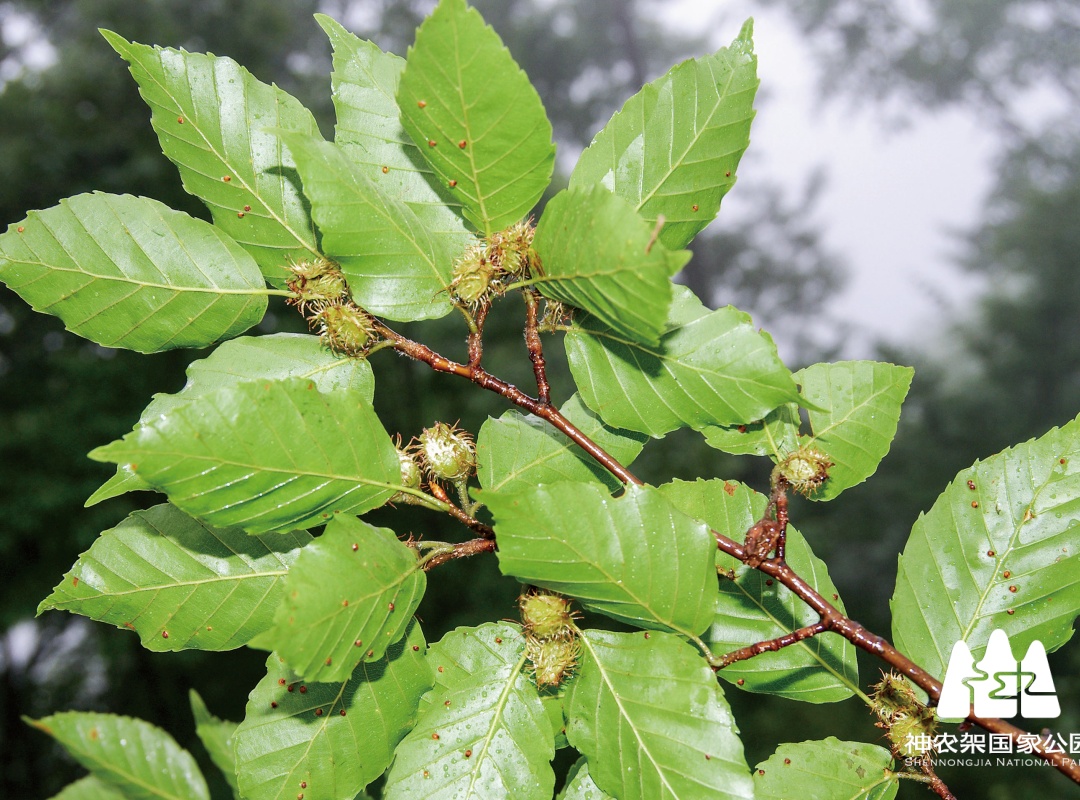
Fagus hayatae: Nuts Protect the Embryo
Fagus hayatae, also known as Taiwan Beech, is very rare. It is labeled as VU (vulnerable) by the IUCN and listed as a national second-class protected wild plant of China. It is also a relic species, a living fossil. During the Ice Age approximately 18,000 year ago, Fagus hayatae migrated from mainland China to Taiwan Province. As the climate warmed and glaciers melted, seawater separated the two sides. Since then, Fagus hayatae has settled there and become "special" to Taiwan. It was once thought that Fagus hayatae only lived in Taiwan Province and was endemic to Taiwan Province. However, through the efforts of anatomy and molecular research, the trees in Zhejiang and Bashan were also classified as Fagus hayatae.2026-04-20
-
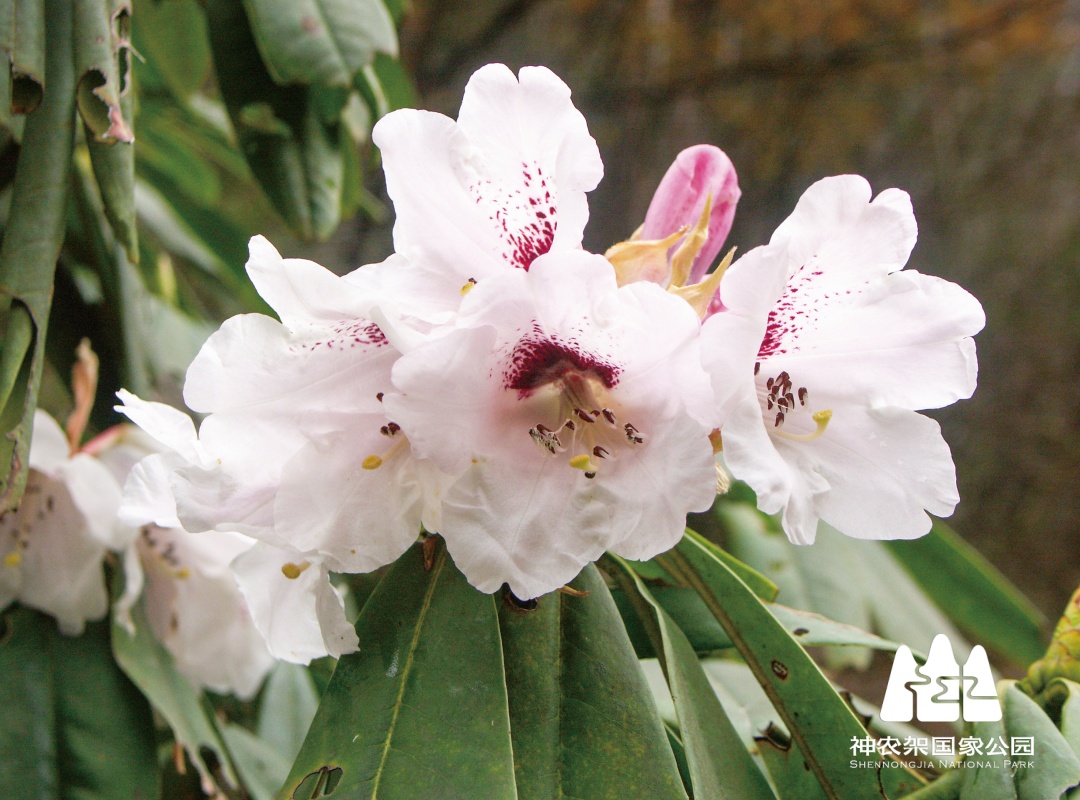
Rhododendron sutchuenense: Like It Sour
It's spring. The Rhododendrons bloom. A small bird resembling a bee is eating nectar. The bird is a sunbird, dazzlingly beautiful and melodiously chirping. The bird spins on the Rhododendrons, and its slender beak and tubular tongue reach into the stamen, making the serene scene even more beautiful. When the sunbird left, it took pollen with it to date another Rhododendron flower. She is a flying matchmaker uniting beauty in Shennongjia.2026-04-20
-
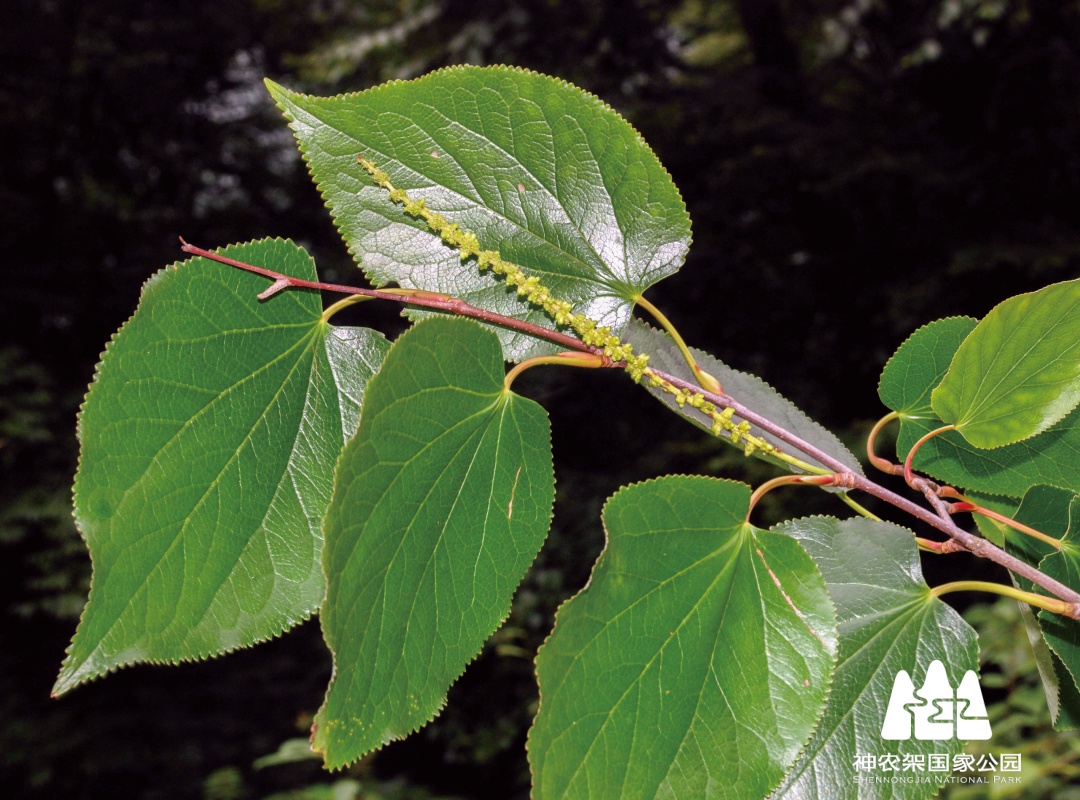
Tetracentron sinense: Where The Water Runs, The Green Leaves Shake
Tetracentron sinense is a relic species that has long existed since the early stage of the Earth. It holds significant scientific value for the study of the phylogeny of angiosperms, the evolution of ancient plant communities in China, and the paleoclimate. Plant taxonomists classify plants by constructing phylogenetic trees, which is similar to our family trees, to represent the affinities and evolutionary relationships among species. Tetracentron sinense is a monotypic genus and species. Recently, researchers have found that it may belong to the same Trochodendraceae family as the Trochodendron aralioides in Taiwan.2026-04-16
-
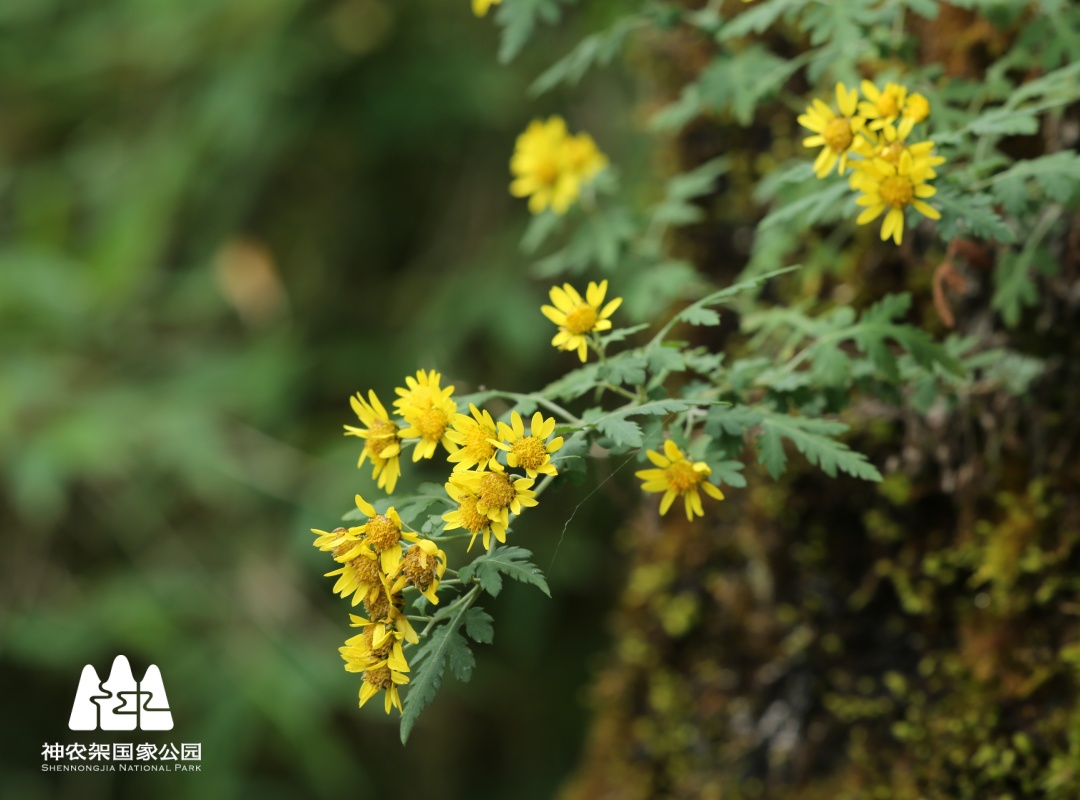
Chrysanthemum indicum var. aromaticum: Luring Insects with an Extraordinary Scent
Just a touch, and its fragrance clings to your fingers—lingering, persistent. Sniff once, it's there. Sniff again, it remains. This remarkable plant is the Chrysanthemum indicum var. aromaticum, endowed with a rare and potent aroma. Yet, encountering it is not so easy.2026-04-10
-
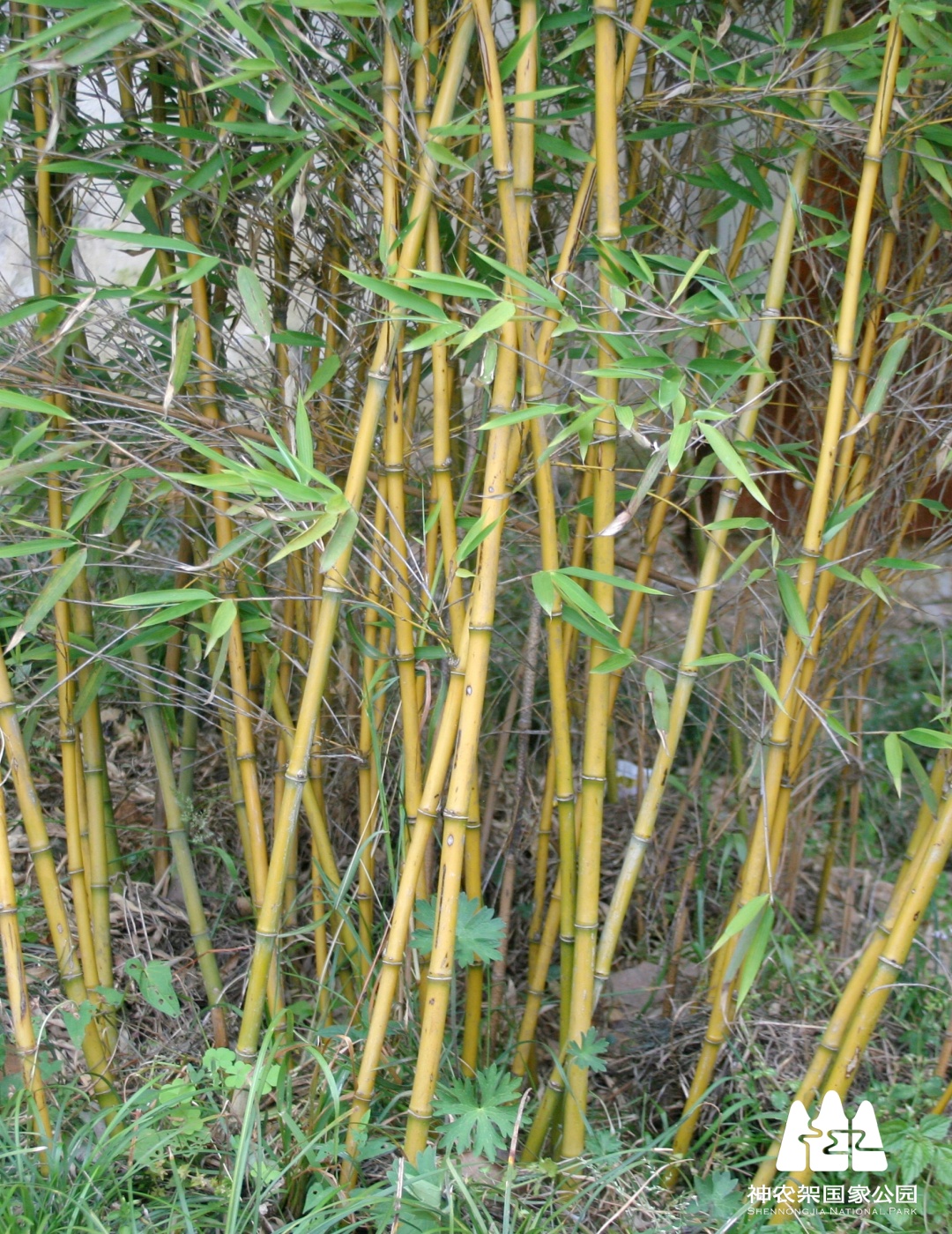
Fargesia murielae: It Blooms And It Dies, It Dies Yet It Stands
The beauty and mystique of Shennongjia enchants every soul, every plant and tree oozing magic. It is a miracle of nature's creation. In this superior hub grows none other than the Fargesia murielae, or Shennong arrow bamboo. Its cane is slender, orange and shiny, solid yet flexible. It was named arrow bamboo because the ancient Chinese used it to make arrows. Although arrow bamboo is not as tall as moso bamboo, it inspires in us a different sense of awe and beauty with its vast greenness, and it comes with a unique history and value.2026-03-31

Copyright Shennongjia National Park
Address:36 Chulin Road, Muyu Town, Shennongjia Forestry District, Hubei Province 鄂ICP备18005077号-3
Address:36 Chulin Road, Muyu Town, Shennongjia Forestry District, Hubei Province 鄂ICP备18005077号-3
Email:2673990569@qq.com
Phone:0719-3453368
Phone:0719-3453368


TOP