
-
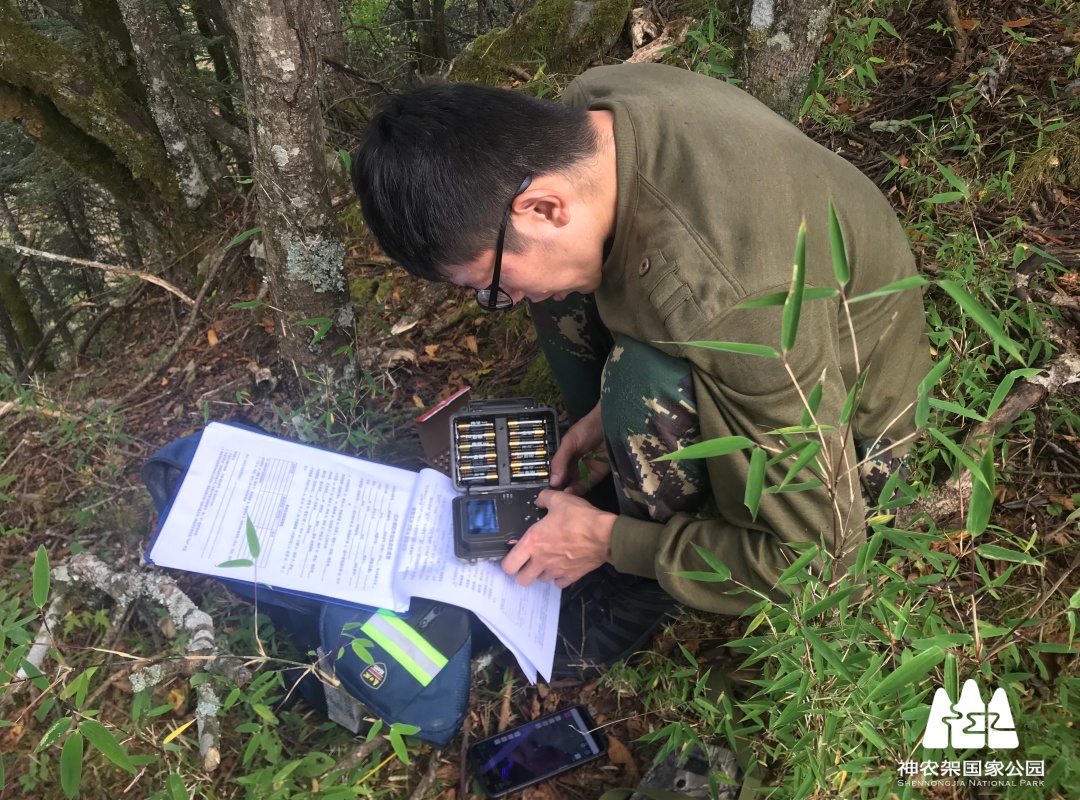
Traversing the Myriad Mountains of Shennongjia, He Guards Forest Bird with Millions of Images
Amid the drive to establish Hubei as an important strategic pivot for the rise of the central region, countless young figures are contributing their passion and dedication across diverse fields. Through perseverance and commitment, they are weaving their personal aspirations into the province’s development while writing their own stories of growth in the new era.2026-08-20
-
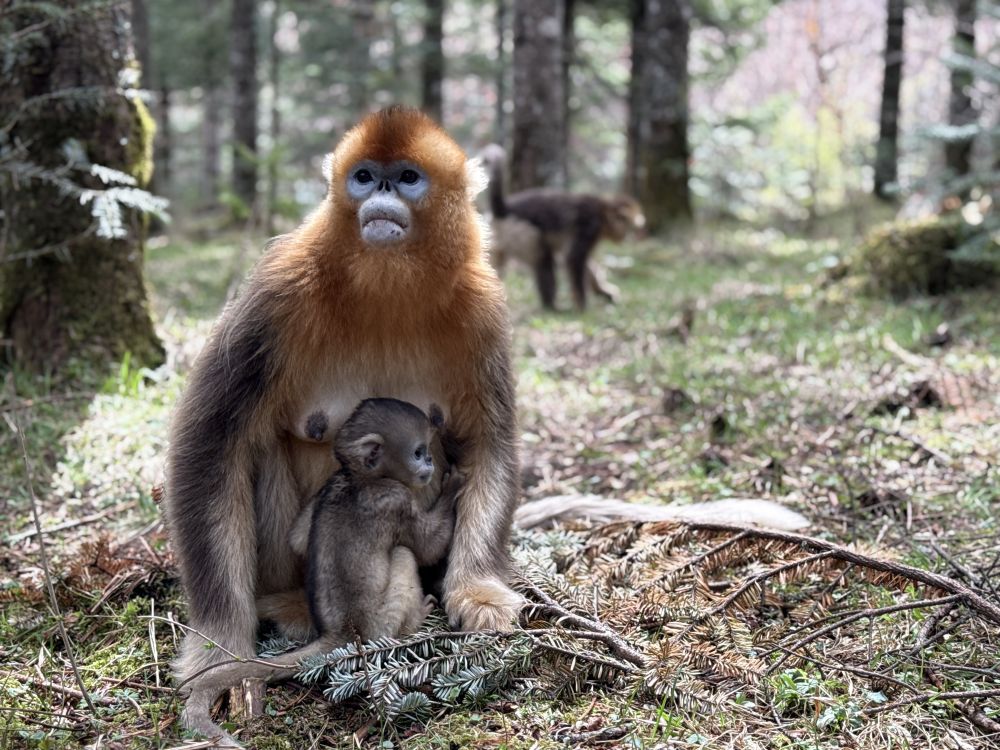
Shennongjia's monkeys make golden return
Attracted by the caretaker's closed fist, a 65-centimeter-tall golden snub-nosed monkey swings gracefully through the branches of Shennongjia in Central China's Hubei province.2026-05-14
-
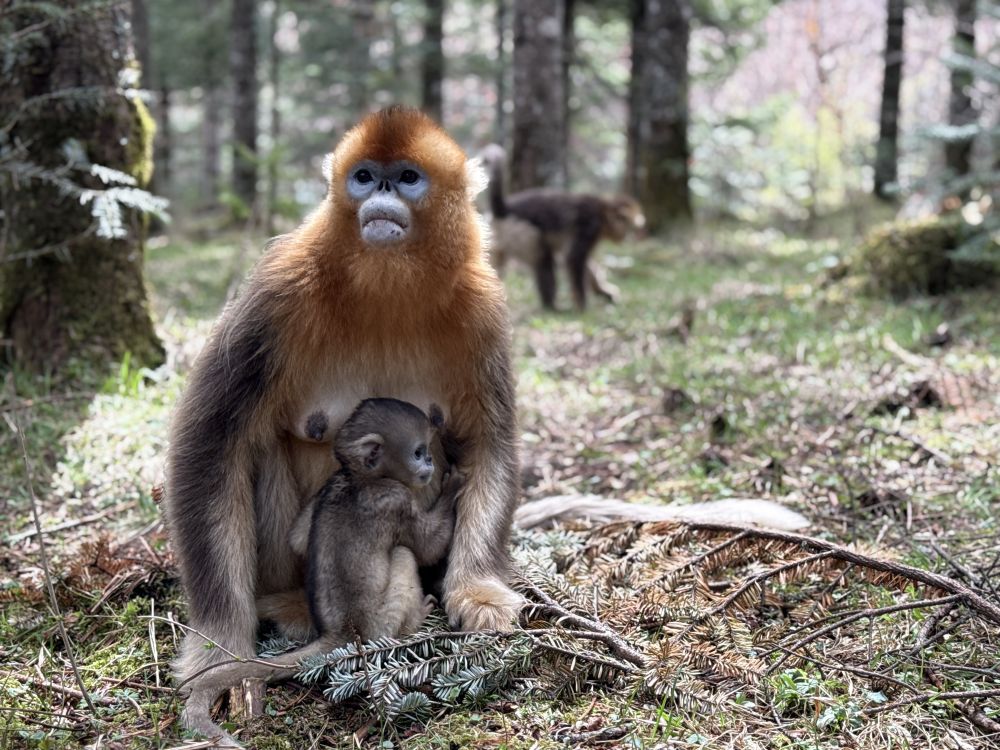
The Unfailing Pact: The Golden Snub-nosed Monkeys and the Mystery of Shennongjia
In the dense thickets of the Dalongtan Golden Snub-nosed Monkey Research Base, a newborn golden snub-nosed monkey clings tightly to its mother, peering curiously at the surrounding fir trees. Named “Fuyuan” by researchers, this infant was born on World Wildlife Day, coinciding with the Lantern Festival. Since March, this alpine forest—reaching altitudes of 3,106.2 meters—has welcomed seven new arrivals.2026-04-25
-
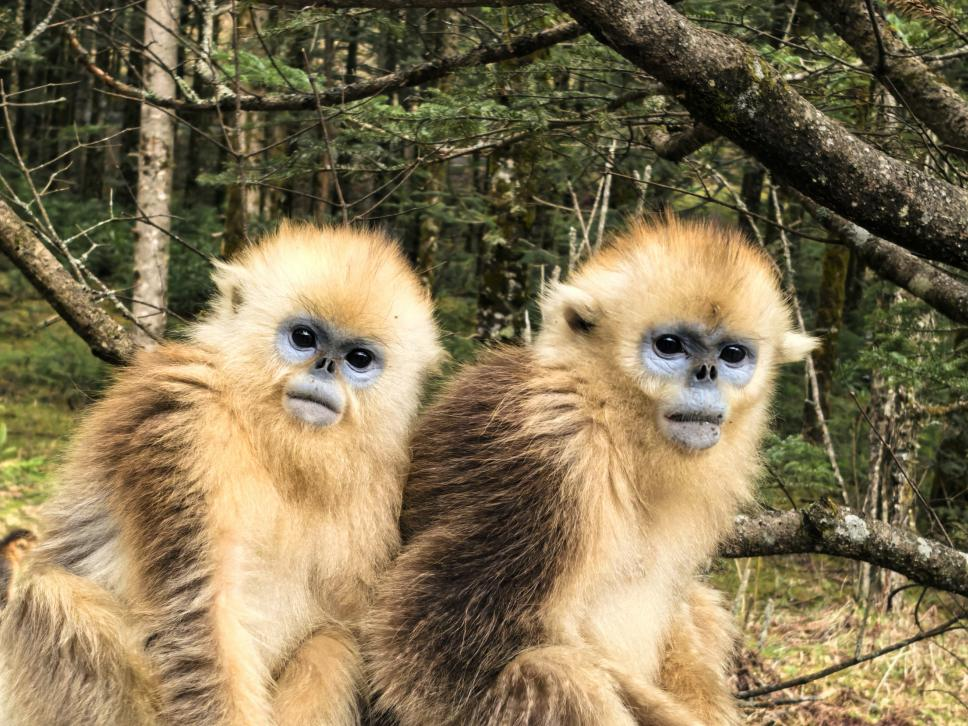
[World Earth Day] Into the Secret Realm: Xinhua Reporter’s Close Encounter with Wild Golden Snub-Nosed Monkeys in Shennongjia
On the occasion of the 57th Earth Day, a Xinhua reporter ventured deep into the pristine alpine forests of Shennongjia National Park in Hubei Province. In this secluded wilderness, the journalist had a chance encounter with two families of Shennongjia Golden Snub-nosed Monkeys, capturing rarely-seen footage of their emotional expressions—from joy to sorrow—and their daily lives in their natural habitat.2026-05-10
-
Beautiful China Album | Guarding the “Species Ark” with Technological Strength
Shennongjia, a pristine wilderness nestled in the heart of Central China, is not only one of the 14 globally significant biodiversity research areas, but also bears the vital mission of protecting the ecological barrier of Central China. Home to the most well-preserved subtropical forest ecosystem in the mid-latitudes of the Northern Hemisphere, it provides habitat for more than 70 species of nationally protected wildlife, including the golden snub-nosed monkey (Rhinopithecus roxellana) and the dove tree (Davidia involucrate Baill), earning it the reputation as the “Central China Species Gene Bank.”2026-05-10

Copyright Shennongjia National Park
Address:36 Chulin Road, Muyu Town, Shennongjia Forestry District, Hubei Province 鄂ICP备18005077号-3
Address:36 Chulin Road, Muyu Town, Shennongjia Forestry District, Hubei Province 鄂ICP备18005077号-3
Email:2673990569@qq.com
Phone:0719-3453368
Phone:0719-3453368


TOP