
-
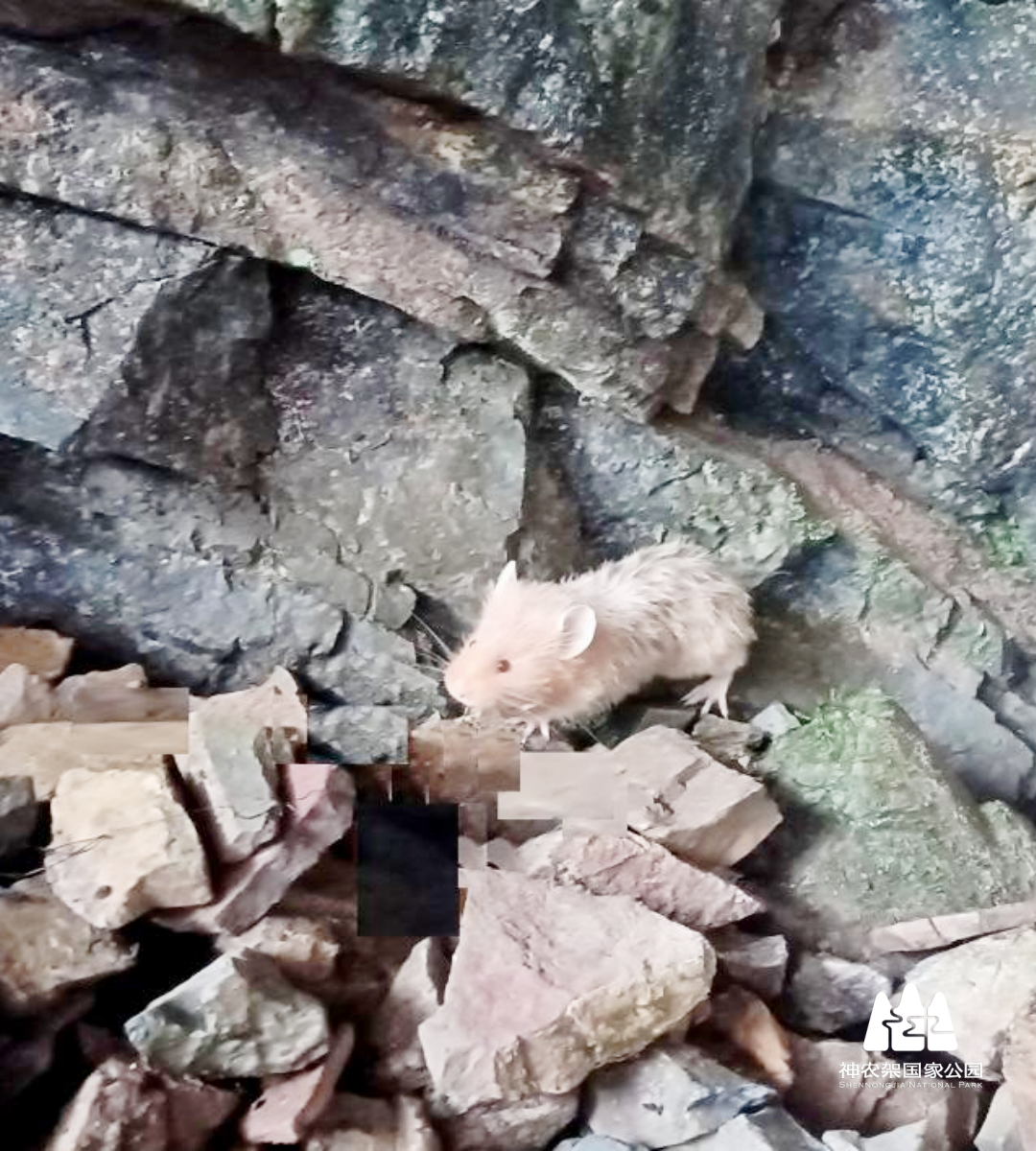
Another Albino Animal Spotted in Shennongjia! This Time the Star Is the “Alpine Sprite”—the Qinling Pika
On September 9, staff from the Shennongjia National Park Candidate Area, together with the National Bird Banding Center of China and the Hubei Wildlife Rescue and Research Development Center, was conducting banding and monitoring of Himalayan swiftlets. At Dajiaoyin, at an elevation of nearly 2,900 m, staff from the Science Research Institute recorded an albino individual of the Qinling pika (Ochotona huangensis).2026-09-11
-
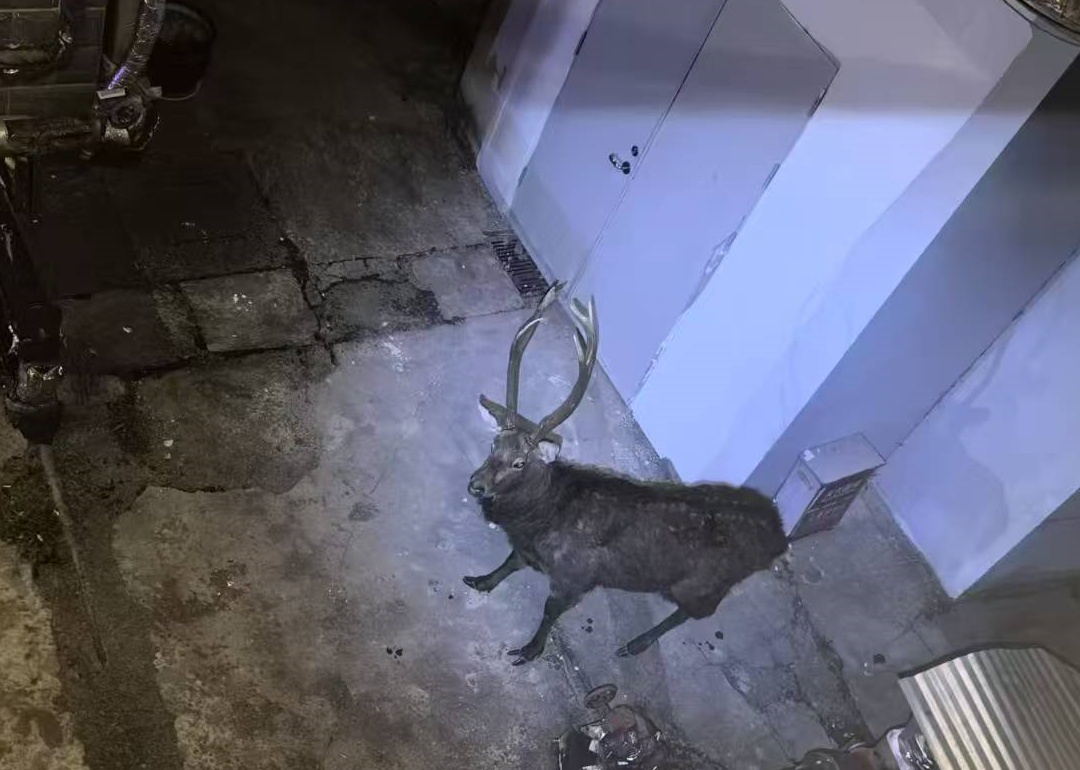
Sturdy Wild Male Sika Deer Strays into Hotel
At 9:34 PM on January 2, an unexpected and heartwarming scene unfolded at the Guoyuan Hotel in Muyu Town, Shennongjia Forestry District. Two tourists from China Three Gorges University(CTGU), while taking a walk, encountered a special "visitor"—a male sika deer, a first-class nationally protected species. The sudden appearance of the deer disrupted the hotel’s tranquility. Initially startled by the large animal, the tourists concerned for its safety and feared it might get injured in the town, so they immediately called the police. Thus a heartfelt rescue operation began.2025-01-04
-
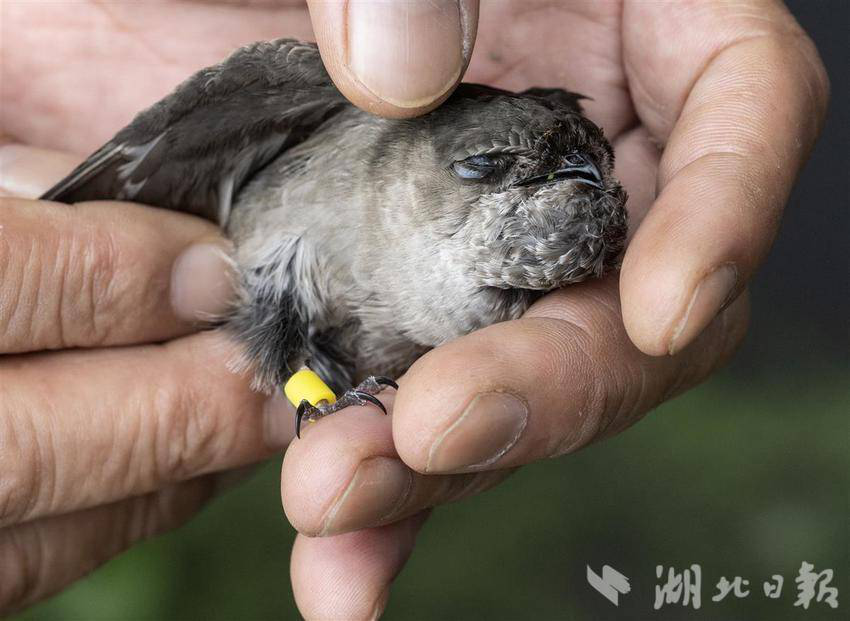
From the Caves of Shennongjia to the Coastal Cliffs of Southeast Asia: The "Footless Birds" Travel Across China Wearing a Leg Band
August 14, Shennongjia. At the entrance of a cave on a steep cliff, a scholar sits cross-legged, carefully extracting a feather from a Himalayan Swiftlet (Aerodramus brevirostris). What are the migration routes and migratory patterns of the Himalayan Swiftlets in Shennongjia? Is there any connection between them and the origins and geological structure of Shennongjia?2024-08-30
-
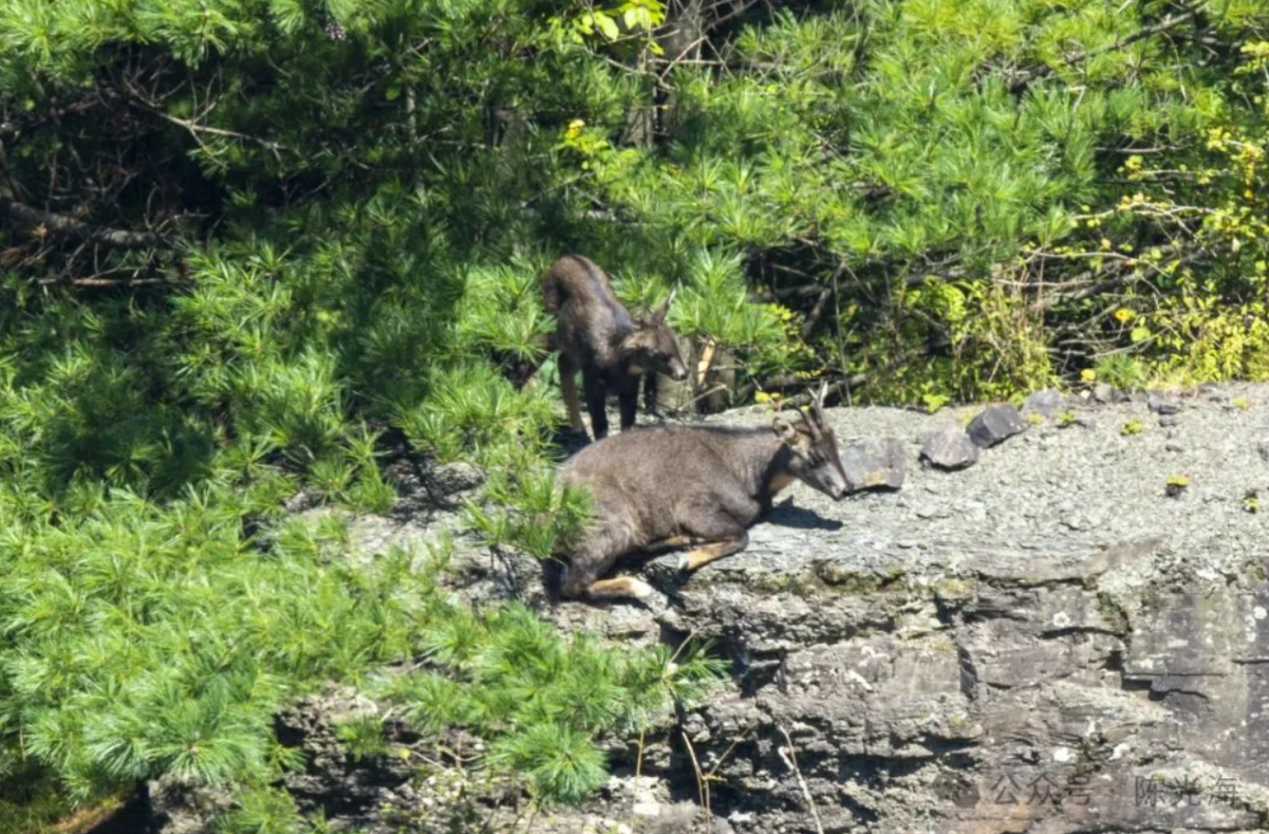
Shennongjia: Frequent Sightings of Chinese Gorals Highlight Significant Achievements in Ecological Protection
Recently, the Shennongding Scenic Area within Shennongjia National Park has frequently witnessed sightings of the Chinese goral, a national second-level protected wild species. This phenomenon not only showcases the continuous improvement of the ecological environment in the Shennongjia region but also reflects China's significant achievements in wildlife protection.2024-07-14
-
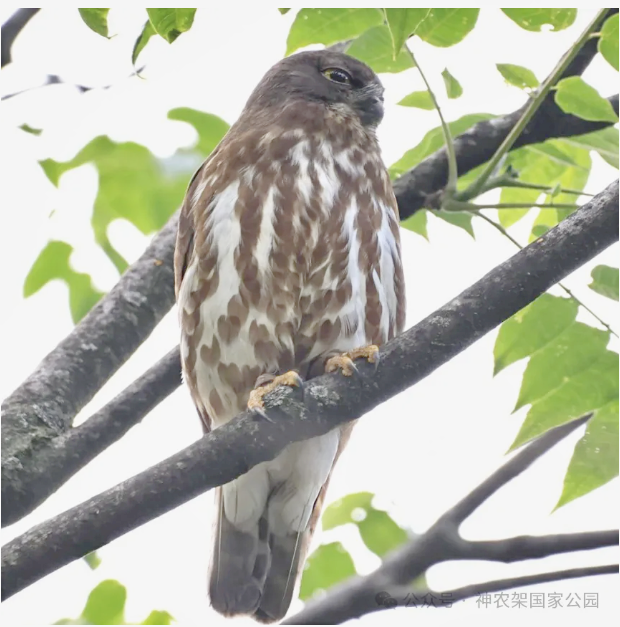
Celebrating 2024 Hubei Province Bird Love Week | A Look Back at Bird-watching Highlights in Shennongjia Forestry District in 2023
With a forest coverage rate of 91.1%, Shennongjia homes to over 460 bird species, accounting for 80% of total bird species in Hubei Province (580 species) and over 30% of the nation's total.2024-04-15

Copyright Shennongjia National Park
Address:36 Chulin Road, Muyu Town, Shennongjia Forestry District, Hubei Province 鄂ICP备18005077号-3
Address:36 Chulin Road, Muyu Town, Shennongjia Forestry District, Hubei Province 鄂ICP备18005077号-3
Email:2673990569@qq.com
Phone:0719-3453368
Phone:0719-3453368


TOP