
-
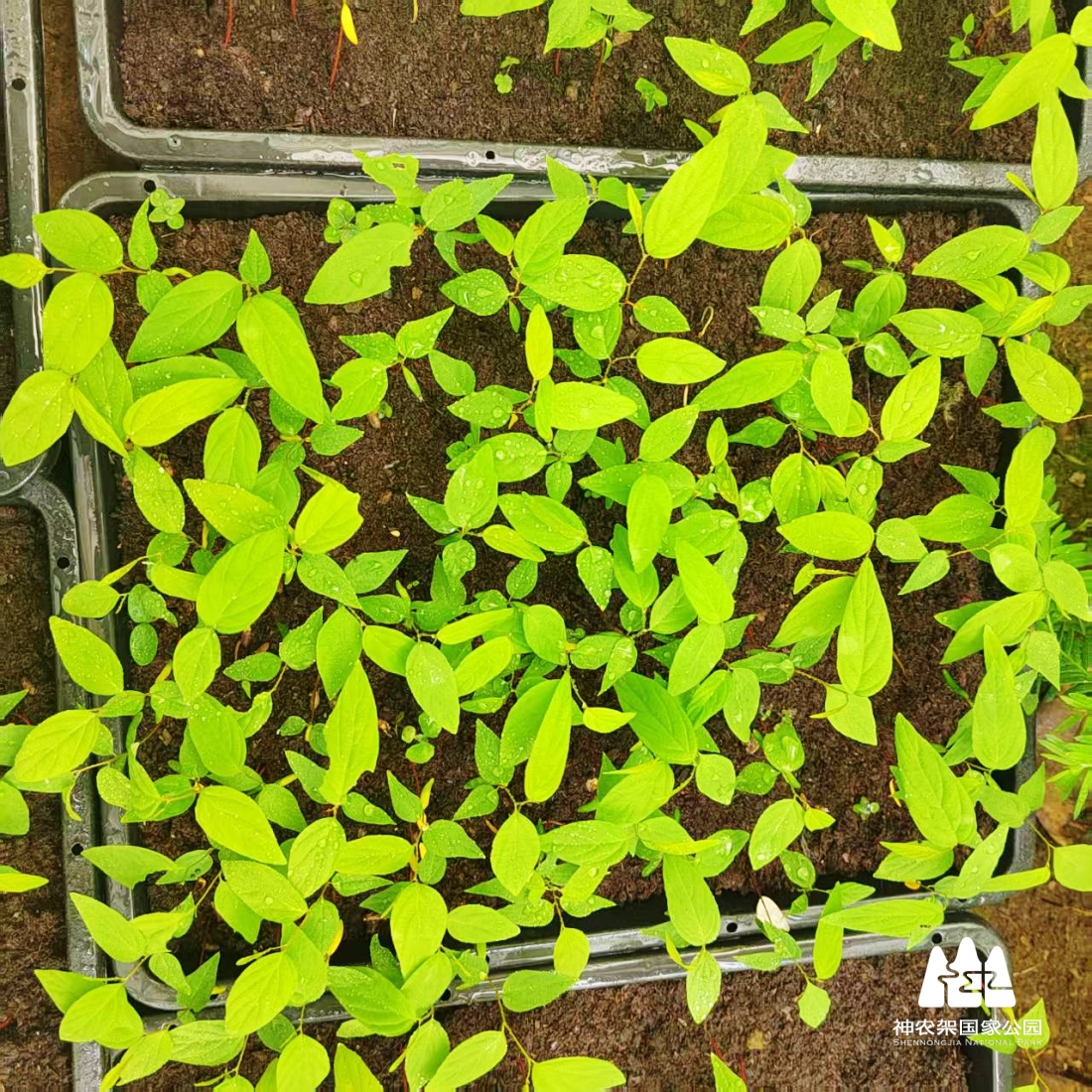
Major Breakthrough Achieved in the Propagation of Berchemiella wilsonii
The Guanmenshan Laboratory under the Science Research Institute of Shennongjia National Park has recently released key research progress on the large-scale propagation of Berchemiella wilsonii. It is listed as a National Class II Key Protected Wild Plant and recognized as a Plant Species with Extremely Small Populations (PSESP). After long-term dedicated technical research, the number of surviving artificially propagated individuals has risen from 30 to over 1,000 by 2026. This indicates that artificial propagation techniques for Berchemiella wilsonii have become increasingly mature, enabling large-scale seedling production with high genetic stability among propagated seedlings.
Shennongjia National Park Overcomes Large-scale Propagation Barriers for a Critically Endangered Species2026-08-11
-
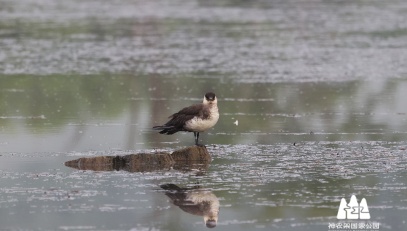
Parasitic Jaeger, an Oceanic Visitor, Spotted for the First Time at Shennongjia's Dajiuhu Wetland
At around 6 p.m. on June 19, 2026, Miao Zongjie, a birdwatcher from Wuhan, spotted a bird with a black hood, white nape, rounded head, pale underparts and dark upper plumage on Lake No.5 at Dajiuhu Wetland in the Shennongjia National Park Candidate Area.After receiving the news, monitoring staff from the park’s scientific research institute rushed to the wetland at roughly 6 a.m. the following morning to take more photos. Images were later sent to avian specialists, who confirmed the bird as a Parasitic Jaeger (Stercorarius parasiticus). The sighting marks the first ever record of the species in Shennongjia and only the second verified occurrence across Hubei Province.2026-06-23
-
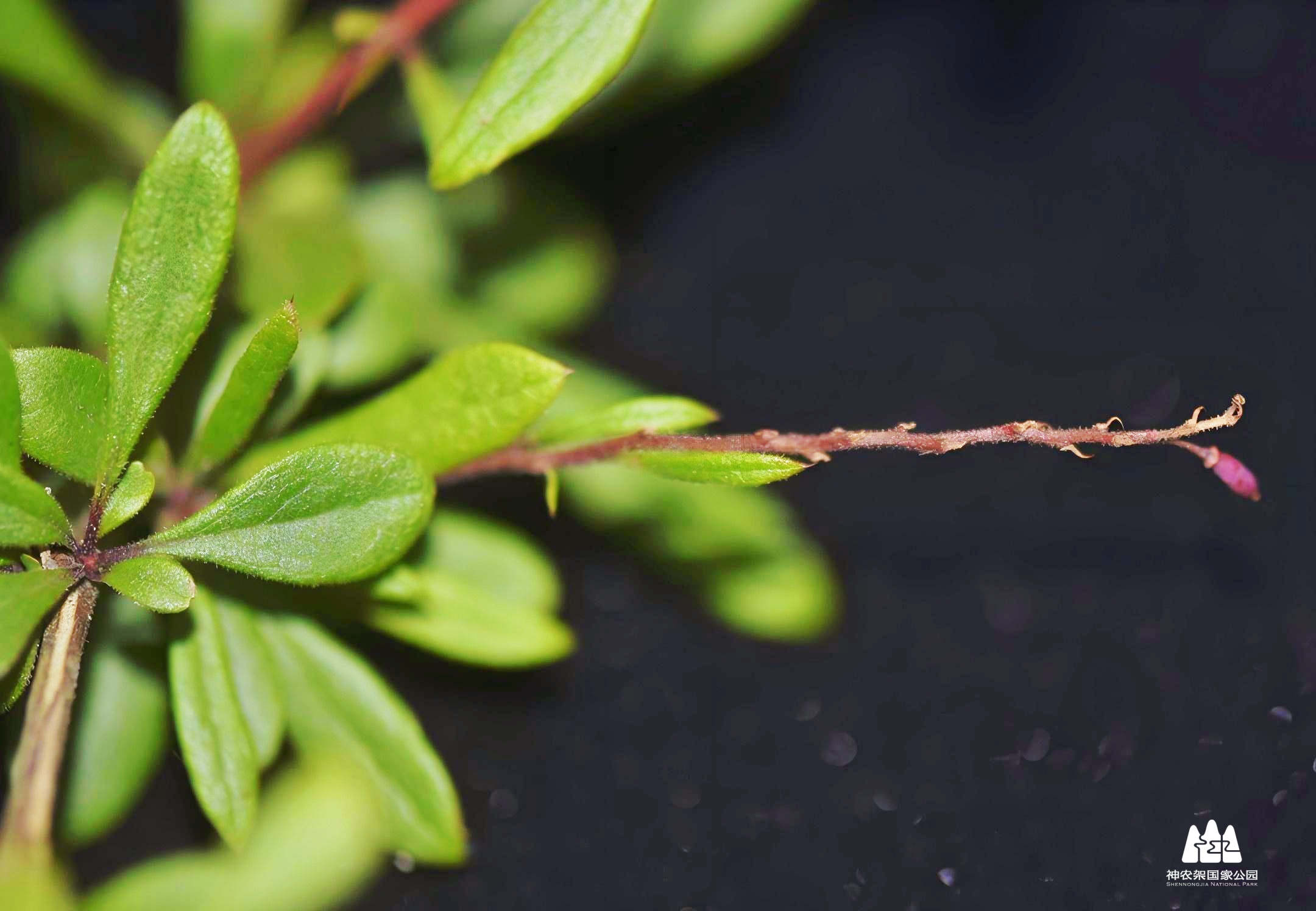
Rare Species Berberis pubescens Rediscovered in Shennongjia After a Century
Recently, a new discovery was made during the comprehensive survey of wild plants conducted by Shennongjia National Park: the research team found the rare plant Berberis pubescens Pamp. in a hillside shrubland. This species had not been recorded in the wild for more than a century. The specimen (C. Silvestri 718) was first collected in northwestern Hubei Province in July 1907, and no wild records of the species had been reported since then.2026-06-18
-
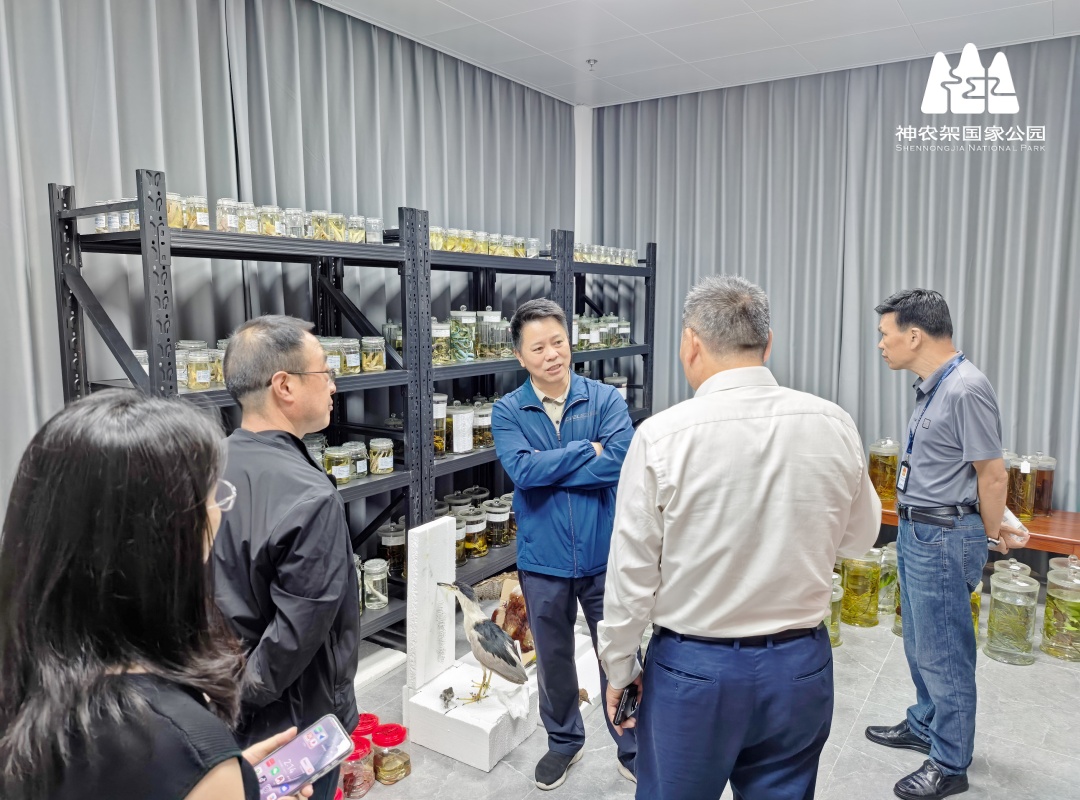
Shennongjia Golden Snub-Nosed Monkey Field Station Earns Provincial Excellence Rating for Five Consecutive Years
The Shennongjia Golden Snub-Nosed Monkey Field Scientific Observation and Research Station has once again been rated “Excellent” in the annual performance evaluation of Hubei Province’s science and technology innovation platforms, according to a notice released by the Hubei Provincial Department of Science and Technology on June 1. Since its establishment in 2019, the field station has received the province’s highest rating in five annual assessments. The evaluations cover dozens of provincial-level field research stations operated by leading universities, research institutes, and scientific organizations across Hubei, all assessed under a unified set of standards. Despite having fewer resources and a smaller talent pool than many major academic and research institutions, the Shennongjia station has consistently ranked among the province’s top-performing platforms.2026-06-02
-
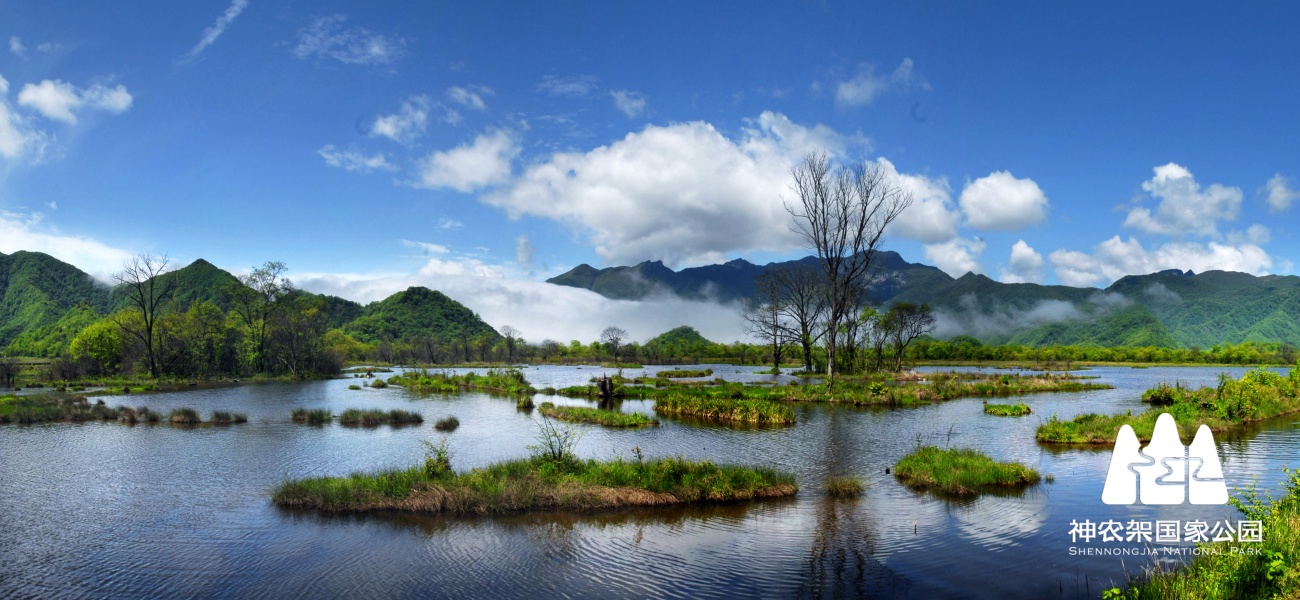
Protecting the Wetland is a Sacred Duty Entrusted to Shennongjia National Park by the Nation— The Guardianship and Rebirth of the Dajiuhu Wetland in Shennongjia
In the depths of winter, three consecutive days of snow blanketed the Dajiuhu Wetland in Shennongjia completely. Snow in the forests piled up dozens of centimeters thick, while on the lake surface, the ice layer was solid enough for waterbirds to walk upon. Eager to see how sphagnum moss survives in such icy conditions, we drove from Muyu Town straight to Dajiuhu to find out.2026-02-02

Copyright Shennongjia National Park
Address:36 Chulin Road, Muyu Town, Shennongjia Forestry District, Hubei Province 鄂ICP备18005077号-3
Address:36 Chulin Road, Muyu Town, Shennongjia Forestry District, Hubei Province 鄂ICP备18005077号-3
Email:2673990569@qq.com
Phone:0719-3453368
Phone:0719-3453368


TOP