
Shennongjia Golden Snub-Nosed Monkey Field Station Earns Provincial Excellence Rating for Five Consecutive Years
Updated:2026-06-02 Source:Shennongjia National Park
The Shennongjia Golden Snub-Nosed Monkey Field Scientific Observation and Research Station has once again been rated “Excellent” in the annual performance evaluation of Hubei Province’s science and technology innovation platforms, according to a notice released by the Hubei Provincial Department of Science and Technology on June 1. Since its establishment in 2019, the field station has received the province’s highest rating in five annual assessments. The evaluations cover dozens of provincial-level field research stations operated by leading universities, research institutes, and scientific organizations across Hubei, all assessed under a unified set of standards. Despite having fewer resources and a smaller talent pool than many major academic and research institutions, the Shennongjia station has consistently ranked among the province’s top-performing platforms.
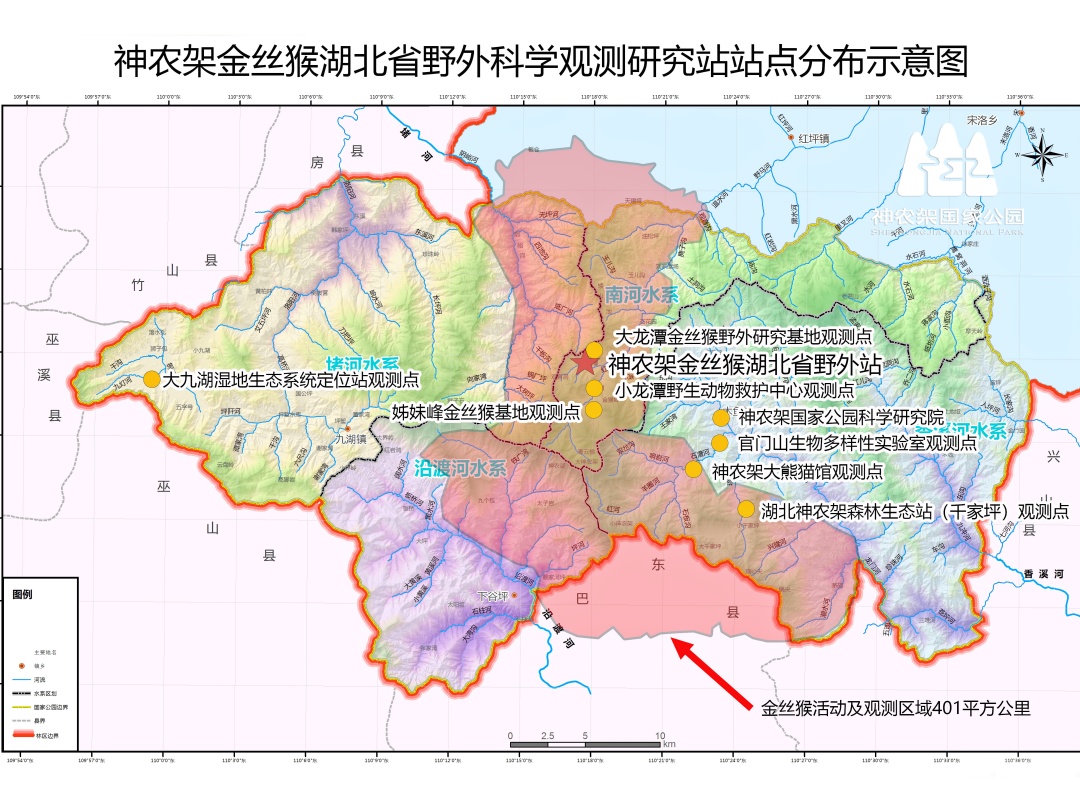
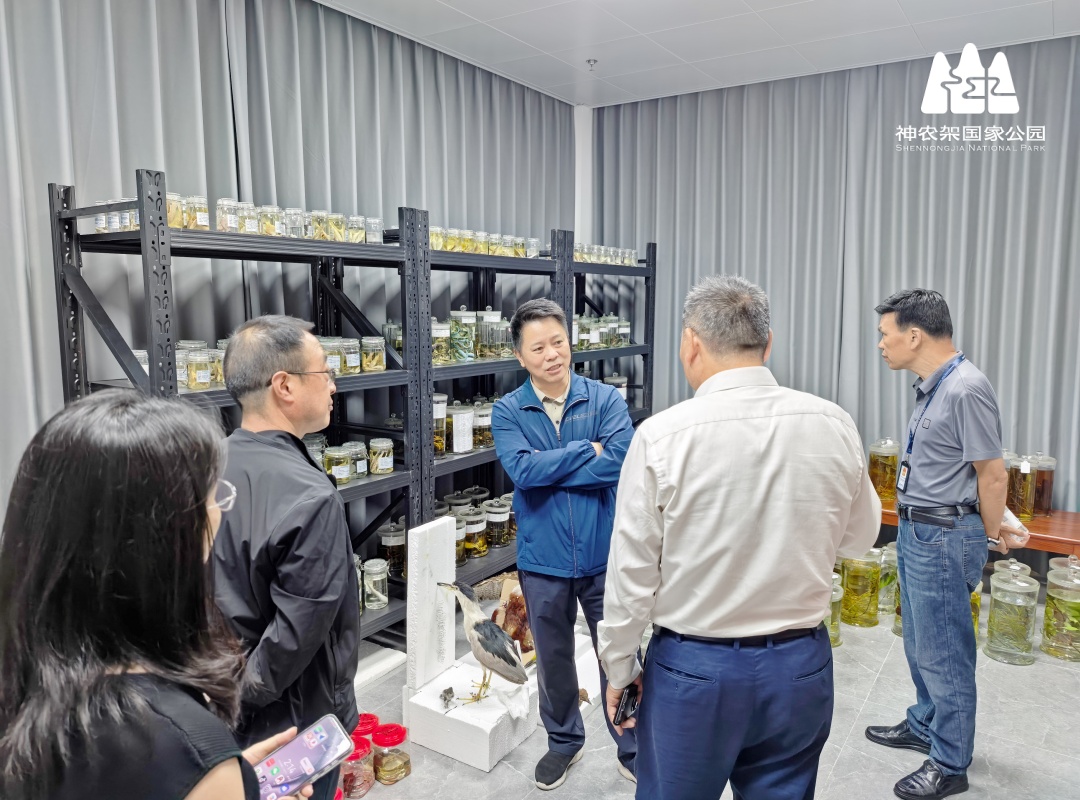
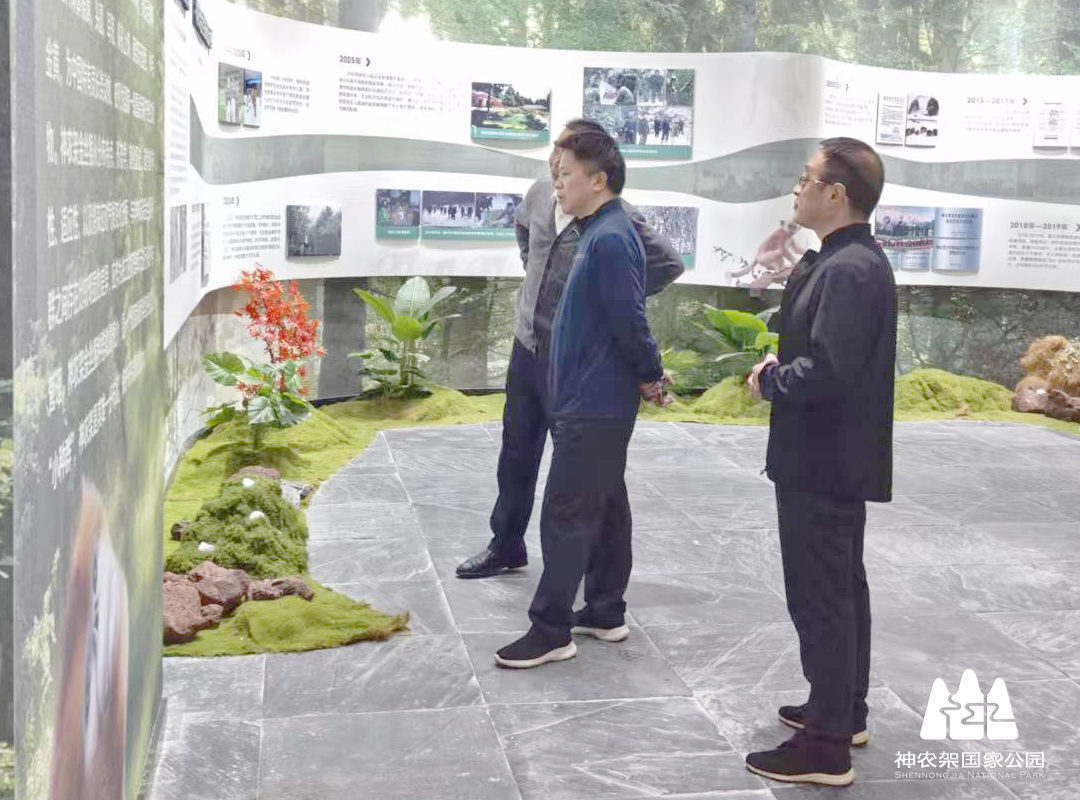
The station is the only provincial field research station in Hubei supported by a national park. Focusing on the observation and study of golden snub-nosed monkeys and other rare species, its work includes wildlife surveys and monitoring, habitat assessment and restoration, and biodiversity research and conservation. Through long-term field observations, researchers collect scientific data that supports biodiversity conservation and protected-area management. The station operates more than 10 biological monitoring sites equipped with terminal base stations, observation towers, meteorological and hydrological monitoring facilities, runoff plots, and hectare-scale sample plots. Monitoring data are collected and analyzed on a regular basis. Working closely with the Chinese Academy of Sciences and other universities and research institutions, the station has established 39 open research projects, helped train more than 150 master’s and doctoral students, secured over 10 national invention patents based on its core technologies, and contributed to the establishment of four national science education bases.
In 2025, the station strengthened wildlife monitoring efforts in cooperation with agencies under the Administration of Shennongjia National Park. Fieldwork covered one monitoring platform, five large monitoring plots, more than 60 smaller sample plots, 13 hydrological and meteorological stations, and over 110 survey routes. More than 600 infrared camera traps and 50 real-time 4G transmission cameras were deployed throughout the park. The station also installed 20 roadside noise-monitoring systems and conducted synchronized seasonal waterbird surveys as well as a specialized banding study of the Himalayan Swiftlet (Aerodramus brevirostris).
The station also made significant progress in scientific services and research collaboration. In 2025, it secured funding for four provincial-level projects, including the construction of the Shennongjia National Park Ecological Civilization Exhibition Center. A new plant and animal specimen museum covering 390 square meters was added to its infrastructure, while a 90-mu in-situ conservation site for the endangered dove tree (Davidia involucrata) was established in Daobaying. Researchers also completed field photography, image collection, and documentation of nationally protected wildlife and plant species found in Shennongjia. Throughout the year, the station provided research and internship support to 2,574 visitors from 351 research groups representing more than 50 institutions, while more than 160 researchers utilized its shared laboratory equipment and facilities. Its parent institution, the Scientific Research Institute of Shennongjia National Park, independently or jointly published 27 academic papers in 2025, including three indexed by the Science Citation Index (SCI). The institute also published two monographs and filed one national invention patent application.(Written by Yang Wanji; Translated by Chen Biyuan)

Copyright Shennongjia National Park
Address:36 Chulin Road, Muyu Town, Shennongjia Forestry District, Hubei Province 鄂ICP备18005077号-3
Address:36 Chulin Road, Muyu Town, Shennongjia Forestry District, Hubei Province 鄂ICP备18005077号-3
Email:2673990569@qq.com
Phone:0719-3453368
Phone:0719-3453368


TOP