
[World Earth Day] Into the Secret Realm: Xinhua Reporter’s Close Encounter with Wild Golden Snub-Nosed Monkeys in Shennongjia
Updated:2026-05-10 Source:Xinhua News Agency
On the occasion of the 57th Earth Day, a Xinhua reporter ventured deep into the pristine alpine forests of Shennongjia National Park in Hubei Province. In this secluded wilderness, the journalist had a chance encounter with two families of Shennongjia Golden Snub-nosed Monkeys, capturing rarely-seen footage of their emotional expressions—from joy to sorrow—and their daily lives in their natural habitat.
Shennongjia Forestry District boasts the best-preserved subtropical forest ecosystem in the Northern Hemisphere’s middle latitudes. With a forest coverage rate exceeding 96%, it is hailed as a “rare global gene bank of species” and was inscribed on the UNESCO World Heritage List in 2016.
The Golden Snub-nosed Monkey is an endangered species endemic to China and is classified as a Class I National Protected Wild Animal. Shennongjia sits on the eastern edge of the Daba Mountains; historically, Sichuan golden snub-nosed monkeys migrated along this range, forming their original habitat. Consequently, Shennongjia marks the easternmost distribution of golden snub-nosed monkeys globally and serves as the exclusive home of the Hubei subspecies—the Shennongjia Golden Snub-nosed Monkey. This group is a classic “small population”, being the least numerous and most endangered. It has become a flagship and indicator species for biodiversity conservation in the region.
Yao Hui, Deputy Director of the Scientific Research Institute of Shennongjia National Park, told Xinhua that while all golden snub-nosed monkeys are known for their vibrant, flowing fur and vivid blue faces—often called the “most beautiful monkeys in the world”—the Shennongjia subspecies stands out for its superior physical appearance, recognized as the “Most Beautiful Primate Tribe”.
According to Yao, Shennongjia National Park conducted over two months of field surveys and laboratory analyses in 2024. The data reveals that there are currently 11 groups totaling 1,618 monkeys in the region, spanning a habitat of 401 square kilometers. Since 2019, the population has grown by 147 individuals and one new group, with the habitat expanding by 47 square kilometers.
Yao noted distinct morphological differences in the Shennongjia subspecies, such as the absence of nasal bones, the fusion of the premaxilla with the upper margin of the piriform aperture and exceptionally long tails—measuring nearly 125% of their head-to-body length. They also possess longer forelimbs and pale golden-red fur on their back. These findings indicate unique adaptations compared to populations outside Shennongjia. Scientifically recognized as meeting the criteria for an independent subspecies, this group has been officially named the “Shennongjia Golden Snub-nosed Monkey” and is managed as a distinct conservation unit.
“The birthing season lasts from March to June. We expect several more infants to be born near our base by June,” Yao said. As spring vegetation is not yet lush and food is scarce, staff at the Dalongtan Field Research Base for Golden Snub-nosed Monkeys provide supplemental feeding. This ensures nursing mothers receive adequate nutrition, thereby increasing the survival rate of the infants. It was this proximity to the base that allowed the reporter to encounter these two wild families.
To date, Shennongjia has established 35 ecological corridors and restored over 2,000 hectares of degraded habitat. These efforts link fragmented habitat patches, promoting genetic exchange between different groups. Simultaneously, the park has implemented eco-friendly community measures, such as providing alternative energy subsidies to nearby residents, guiding industrial transitions, and offering commercial insurance for wildlife-related crop damage. These initiatives reduce human dependence on the monkeys’ habitat, creating a thriving environment for these primates to flourish.
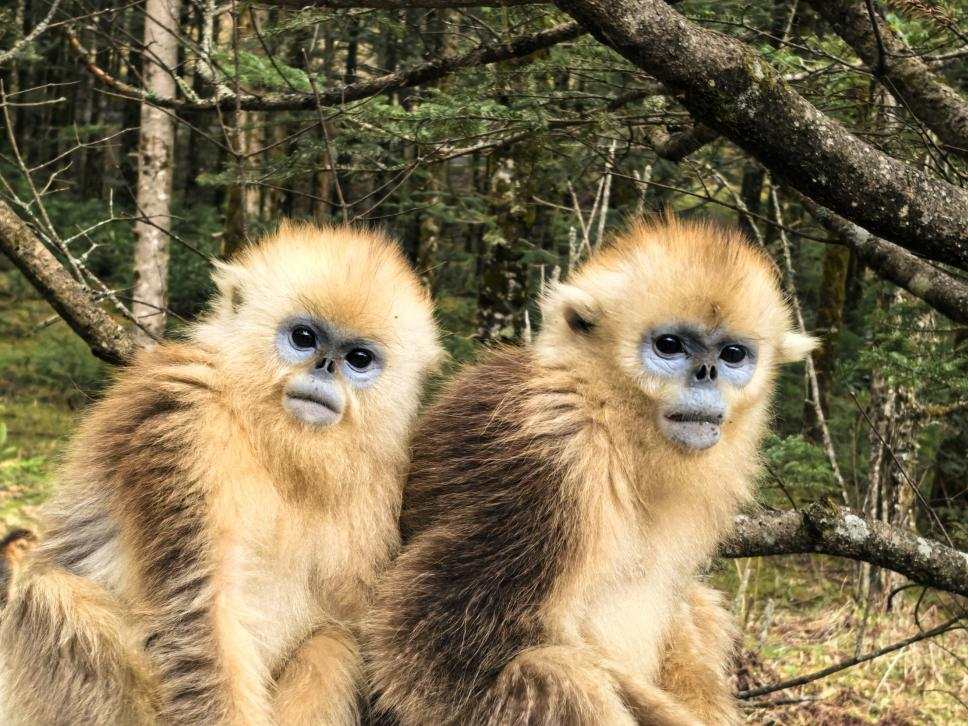 April 16: Two wild Shennongjia golden snub-nosed monkeys rest on a tree branch. Shennongjia is the easternmost region of the global distribution of golden snub-nosed monkeys. This population is a typical isolated “small population”, being the smallest in number and the most endangered. Currently, there are 11 groups of golden snub-nosed monkeys in the Shennongjia area, totaling 1,618 individuals, with a habitat area of 401 square kilometers. (Photo by Liu Jun, Xinhua News Agen
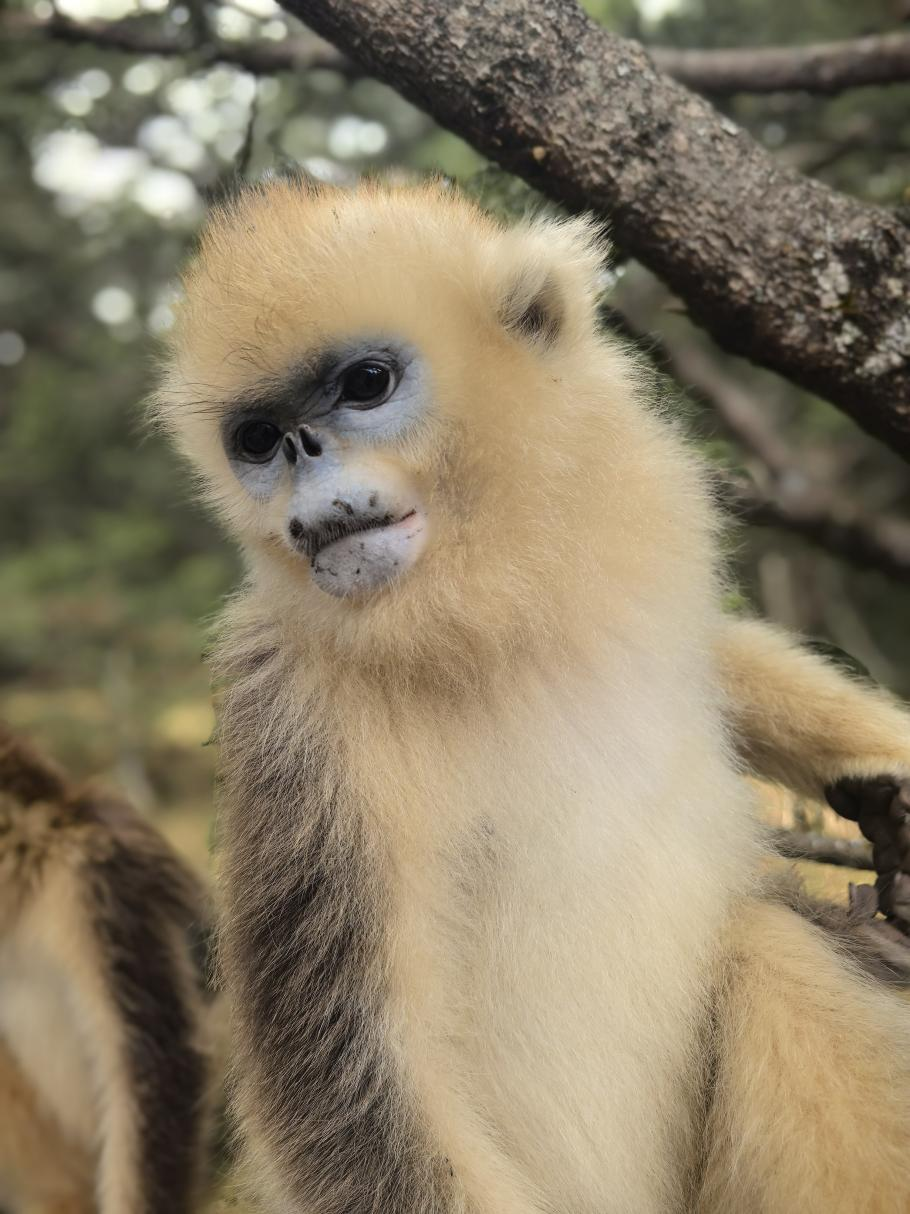 April 16: An adult wild Shennongjia golden snub-nosed monkey climbs on a tree fork. Shennongjia is the easternmost region of the global distribution of golden snub-nosed monkeys. This population is a typical isolated “small population”, being the smallest in number and the most endangered. Currently, there are 11 groups of golden snub-nosed monkeys in the Shennongjia area, totaling 1,618 individuals, with a habitat area of 401 square kilometers. (Photo by Liu Jun, Xinhua News Agency)
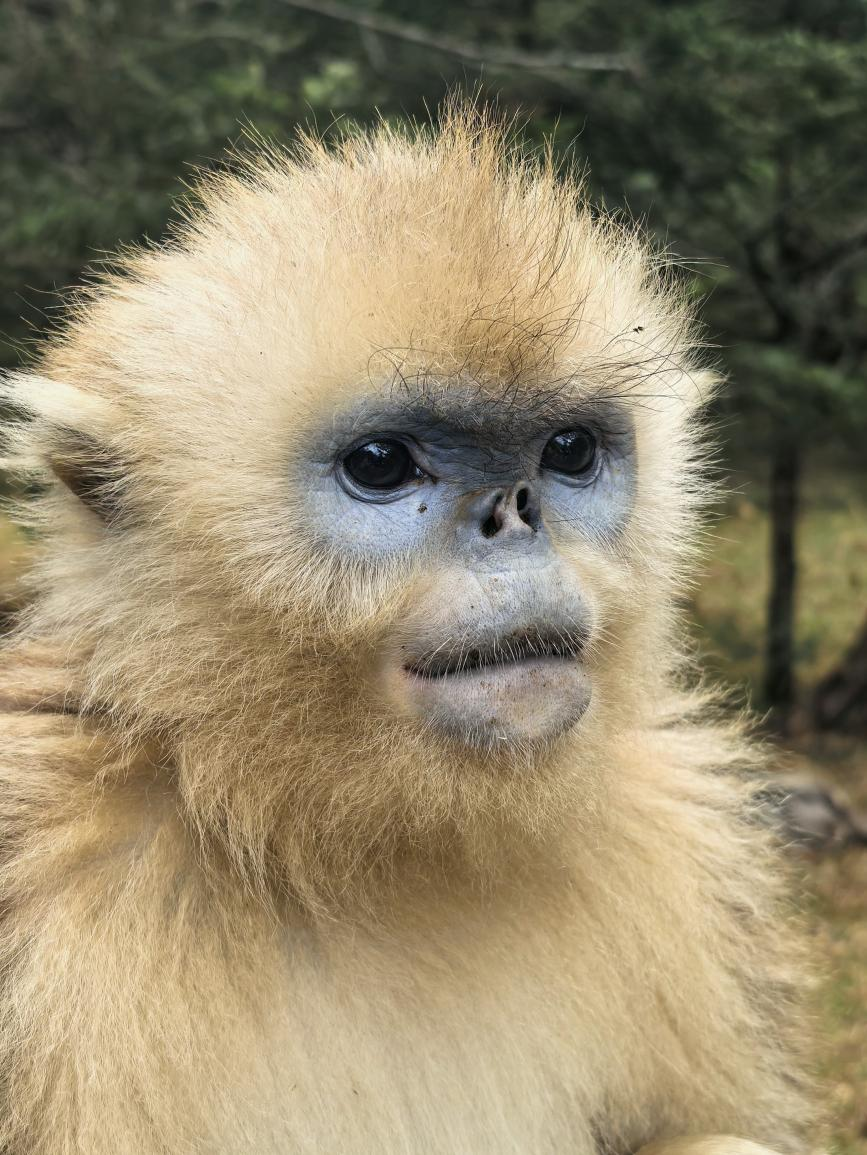 April 16: A wild Shennongjia golden snub-nosed monkey “staring into space”. Shennongjia is the easternmost region of the global distribution of golden snub-nosed monkeys. This population is a typical isolated “small population”, being the smallest in number and the most endangered. Currently, there are 11 groups of golden snub-nosed monkeys in the Shennongjia area, totaling 1,618 individuals, with a habitat area of 401 square kilometers. (Photo by Liu Jun, Xinhua News Agency)
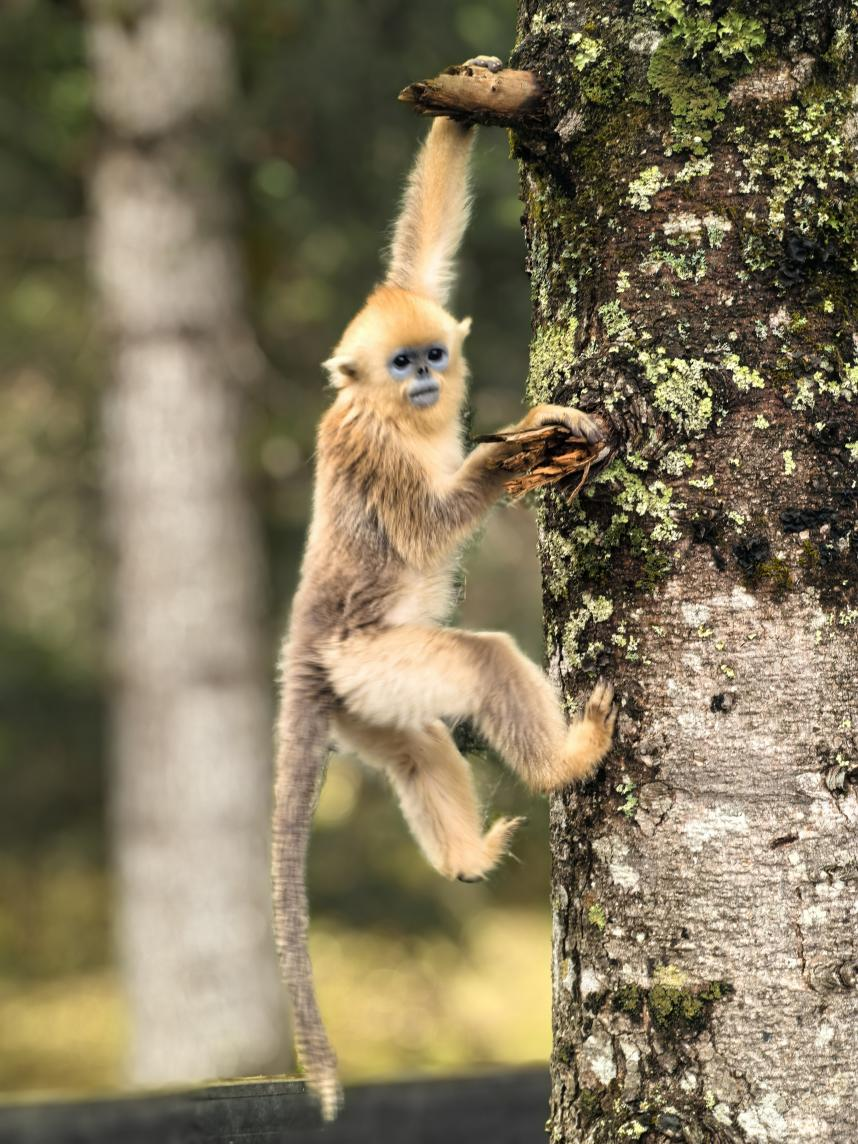 April 16: A young wild Shennongjia golden snub-nosed monkey climbs a tree. Shennongjia is the easternmost region of the global distribution of golden snub-nosed monkeys. This population is a typical isolated “small population”, being the smallest in number and the most endangered. Currently, there are 11 groups of golden snub-nosed monkeys in the Shennongjia area, totaling 1,618 individuals, with a habitat area of 401 square kilometers. (Photo by Liu Jun, Xinhua News Agency)
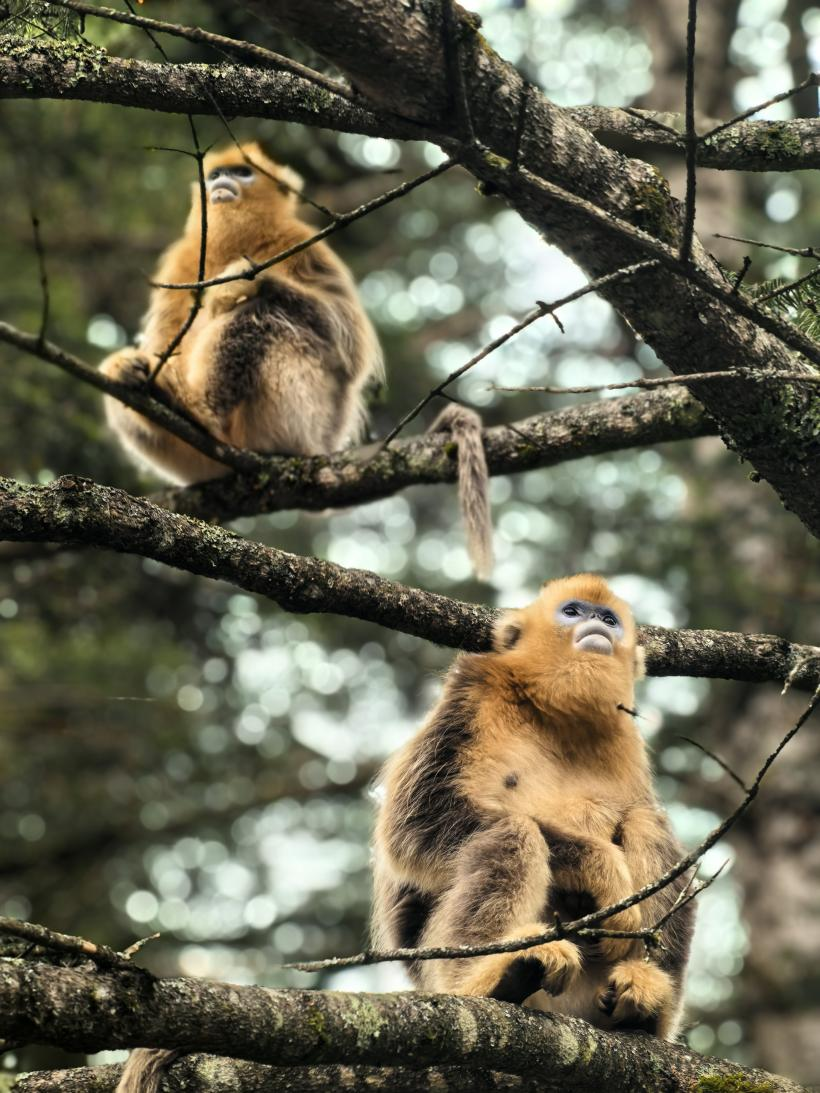 April 16: Two wild Shennongjia golden snub-nosed monkeys are seen among the foliage. Shennongjia is the easternmost region of the global distribution of golden snub-nosed monkeys. This population is a typical isolated “small population”, being the smallest in number and the most endangered. Currently, there are 11 groups of golden snub-nosed monkeys in the Shennongjia area, totaling 1,618 individuals, with a habitat area of 401 square kilometers. (Photo by Liu Jun, Xinhua News Agency)
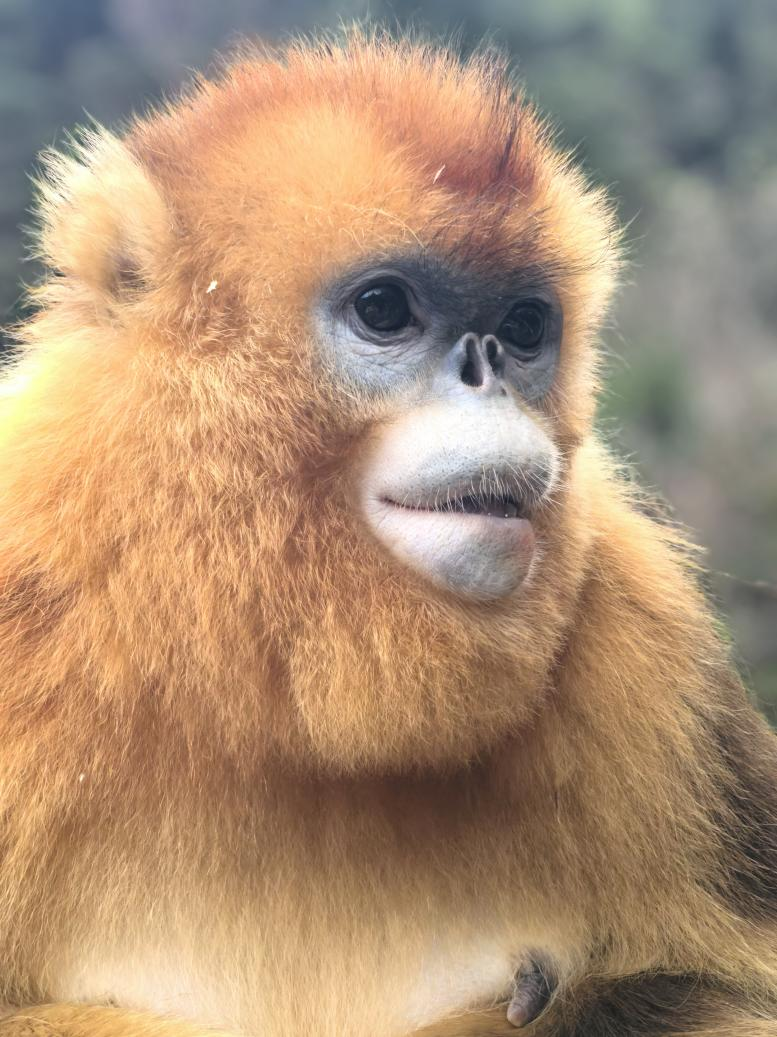 April 16: The “patriarch” of a wild Shennongjia golden snub-nosed monkey family. Shennongjia is the easternmost region of the global distribution of golden snub-nosed monkeys. This population is a typical isolated “small population”, being the smallest in number and the most endangered. Currently, there are 11 groups of golden snub-nosed monkeys in the Shennongjia area, totaling 1,618 individuals, with a habitat area of 401 square kilometers. (Photo by Liu Jun, Xinhua News Agency)
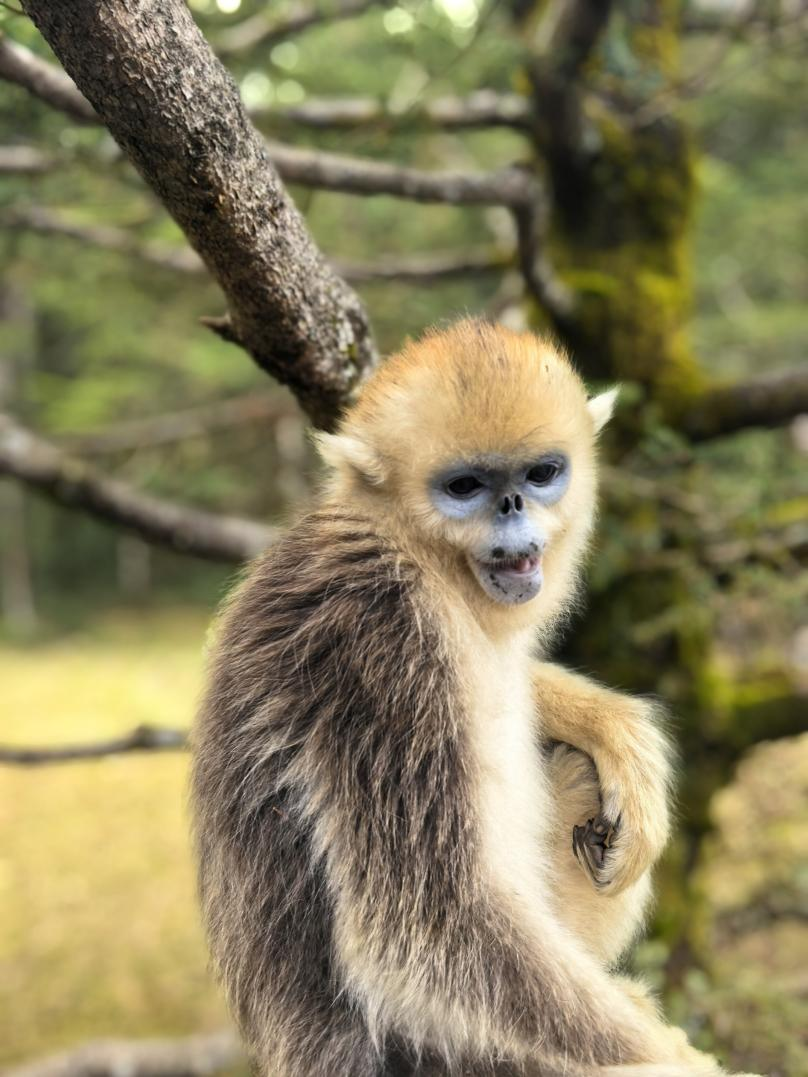 April 16: A newly matured wild golden snub-nosed monkey in Shennongjia. Shennongjia is the easternmost region of the global distribution of golden snub-nosed monkeys. This population is a typical isolated “small population”, being the smallest in number and the most endangered. Currently, there are 11 groups of golden snub-nosed monkeys in the Shennongjia area, totaling 1,618 individuals, with a habitat area of 401 square kilometers. (Photo by Liu Jun, Xinhua News Agency)
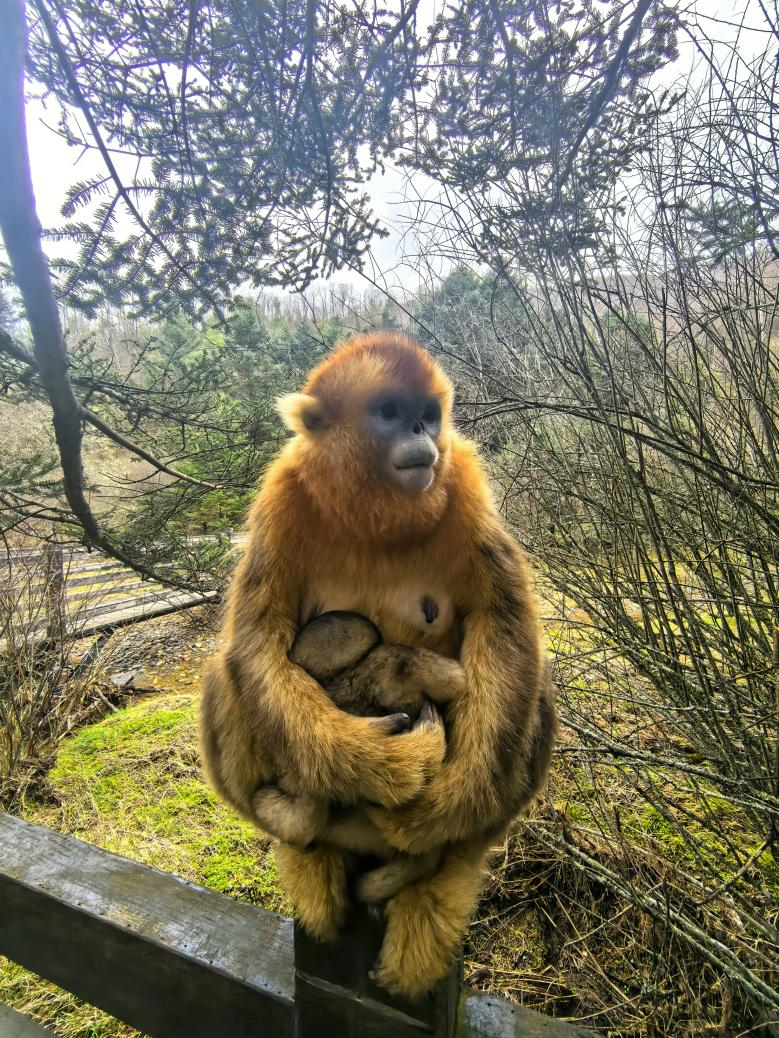 April 16: A wild Shennongjia golden snub-nosed monkey cradling an infant. Shennongjia is the easternmost region of the global distribution of golden snub-nosed monkeys. This population is a typical isolated “small population”, being the smallest in number and the most endangered. Currently, there are 11 groups of golden snub-nosed monkeys in the Shennongjia area, totaling 1,618 individuals, with a habitat area of 401 square kilometers. (Photo by Liu Jun, Xinhua News Agency)
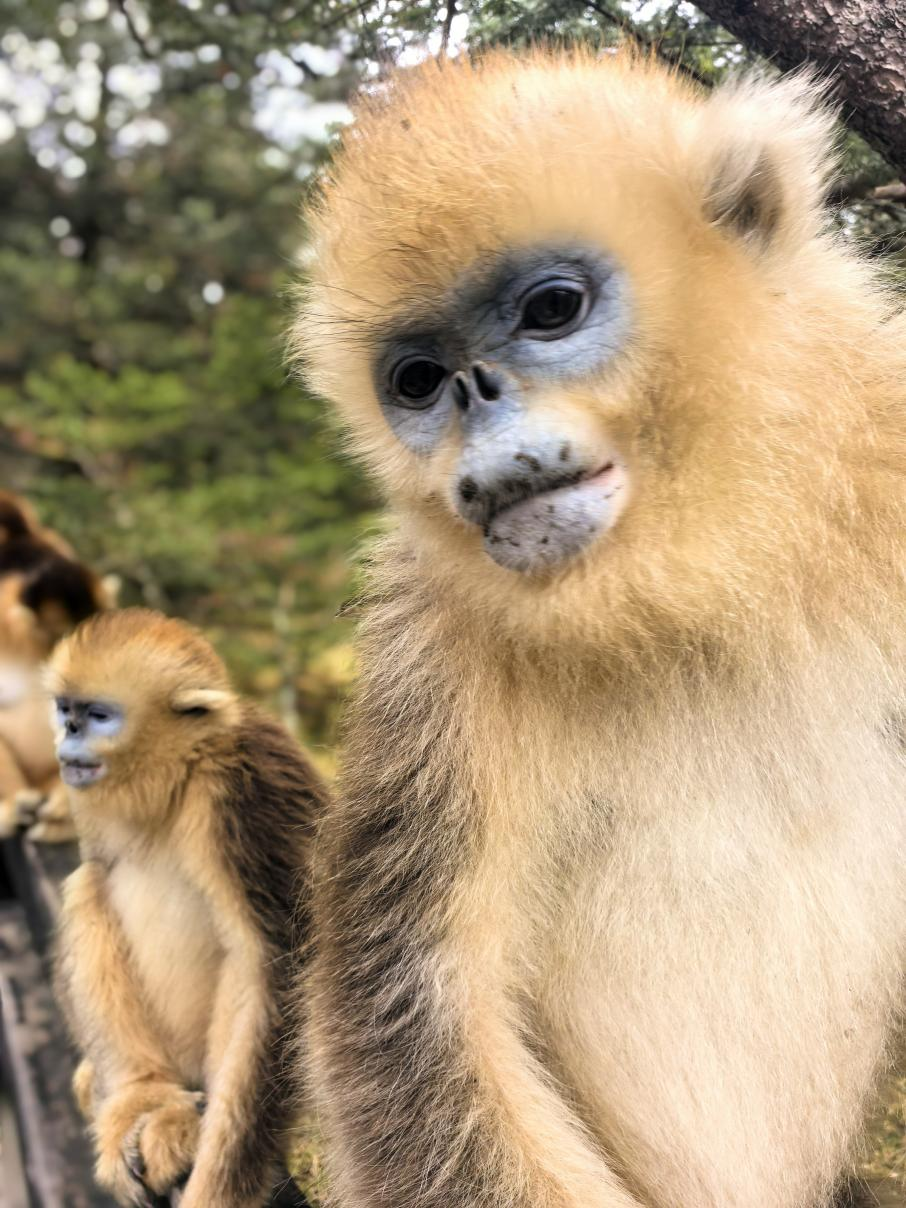 April 16: Several wild golden snub-nosed monkeys in Shennongjia wait near the research base for staff to provide nuts, addressing the shortage of self-supplied food. Shennongjia is the easternmost region of the global distribution of golden snub-nosed monkeys. This population is a typical isolated “small population”, being the smallest in number and the most endangered. Currently, there are 11 groups of golden snub-nosed monkeys in the Shennongjia area, totaling 1,618 individuals, with a habitat area of 401 square kilometers. (Photo by Liu Jun, Xinhua News Agency)
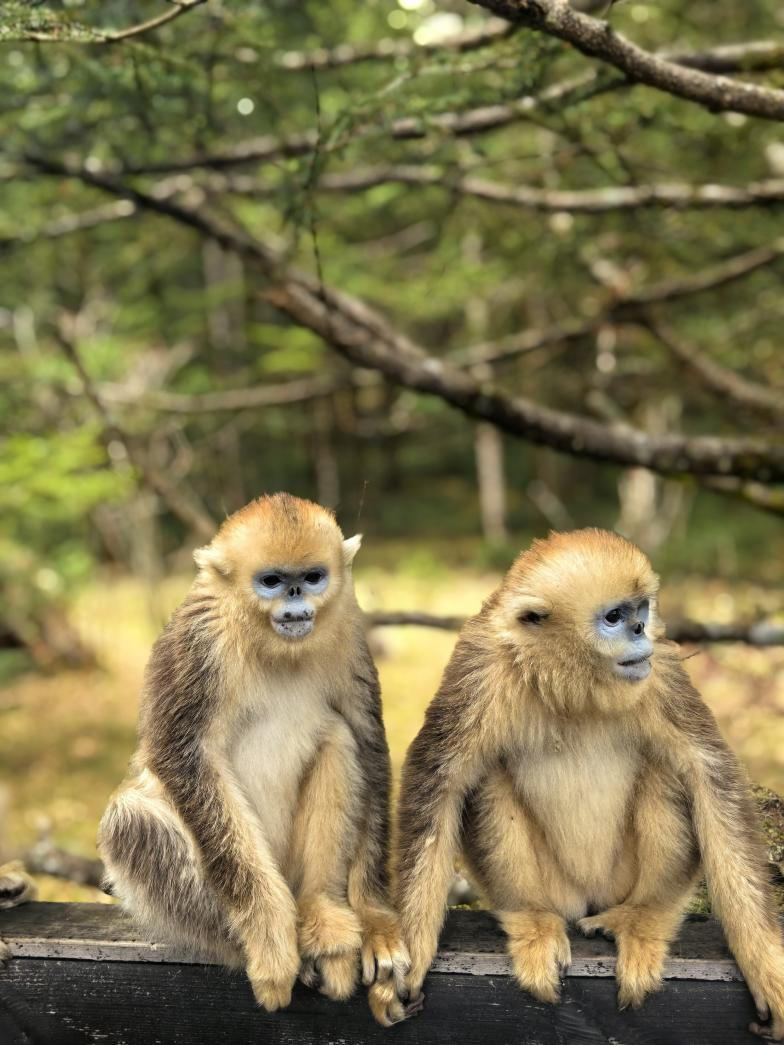 April 16: Two wild golden snub-nosed monkeys waiting for staff feeding near the Shennongjia Golden Snub-nosed Monkey Field Research Base. Shennongjia is the easternmost region of the global distribution of golden snub-nosed monkeys. This population is a typical isolated “small population”, being the smallest in number and the most endangered. Currently, there are 11 groups of golden snub-nosed monkeys in the Shennongjia area, totaling 1,618 individuals, with a habitat area of 401 square kilometers. (Photo by Liu Jun,Xinhua News Agency)
 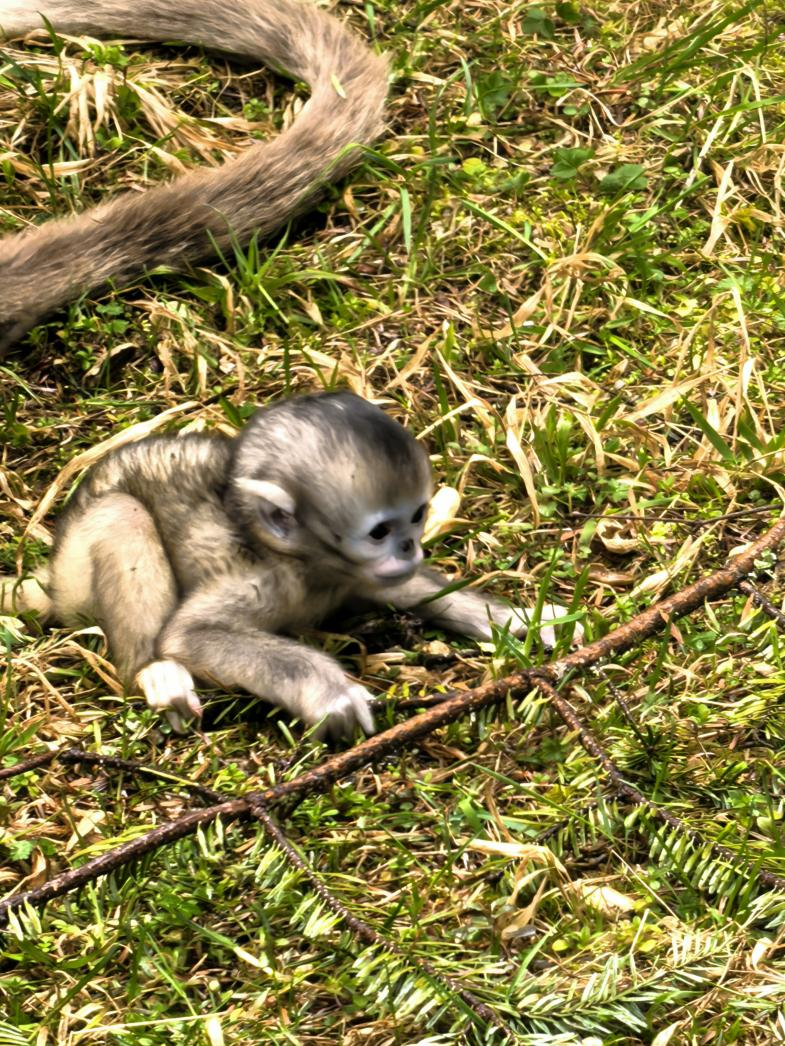 April16: A recently born wild golden snub-nosed monkey in Shennongjia. Shennongjia is the easternmost region of the global distribution of golden snub-nosed monkeys. This population is a typical isolated “small population”, being the smallest in number and the most endangered. Currently, there are 11 groups of golden snub-nosed monkeys in the Shennongjia area, totaling 1,618 individuals, with a habitat area of 401 square kilometers. (Photo by Liu Jun, Xinhua News Agency)
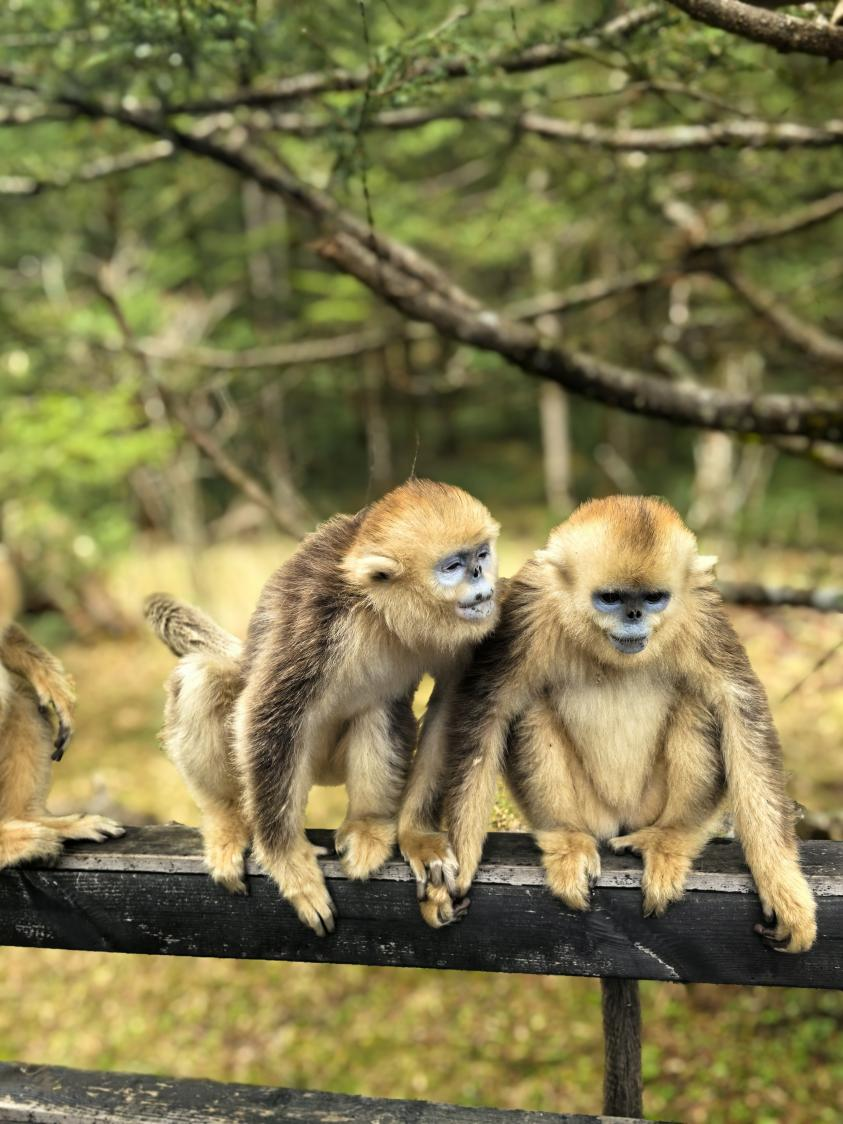 April 16: Two wild Shennongjia golden snub-nosed monkeys “whispering” to each other. Shennongjia is the easternmost region of the global distribution of golden snub-nosed monkeys. This population is a typical isolated “small population”, being the smallest in number and the most endangered. Currently, there are 11 groups of golden snub-nosed monkeys in the Shennongjia area, totaling 1,618 individuals, with a habitat area of 401 square kilometers. (Photo by Liu Jun, Xinhua News Agency)
(Text by Liu Jun)

Copyright Shennongjia National Park
Address:36 Chulin Road, Muyu Town, Shennongjia Forestry District, Hubei Province 鄂ICP备18005077号-3
Address:36 Chulin Road, Muyu Town, Shennongjia Forestry District, Hubei Province 鄂ICP备18005077号-3
Email:2673990569@qq.com
Phone:0719-3453368
Phone:0719-3453368


TOP