
The Unfailing Pact: The Golden Snub-nosed Monkeys and the Mystery of Shennongjia
Updated:2026-04-25 Source:Xinhua News APP
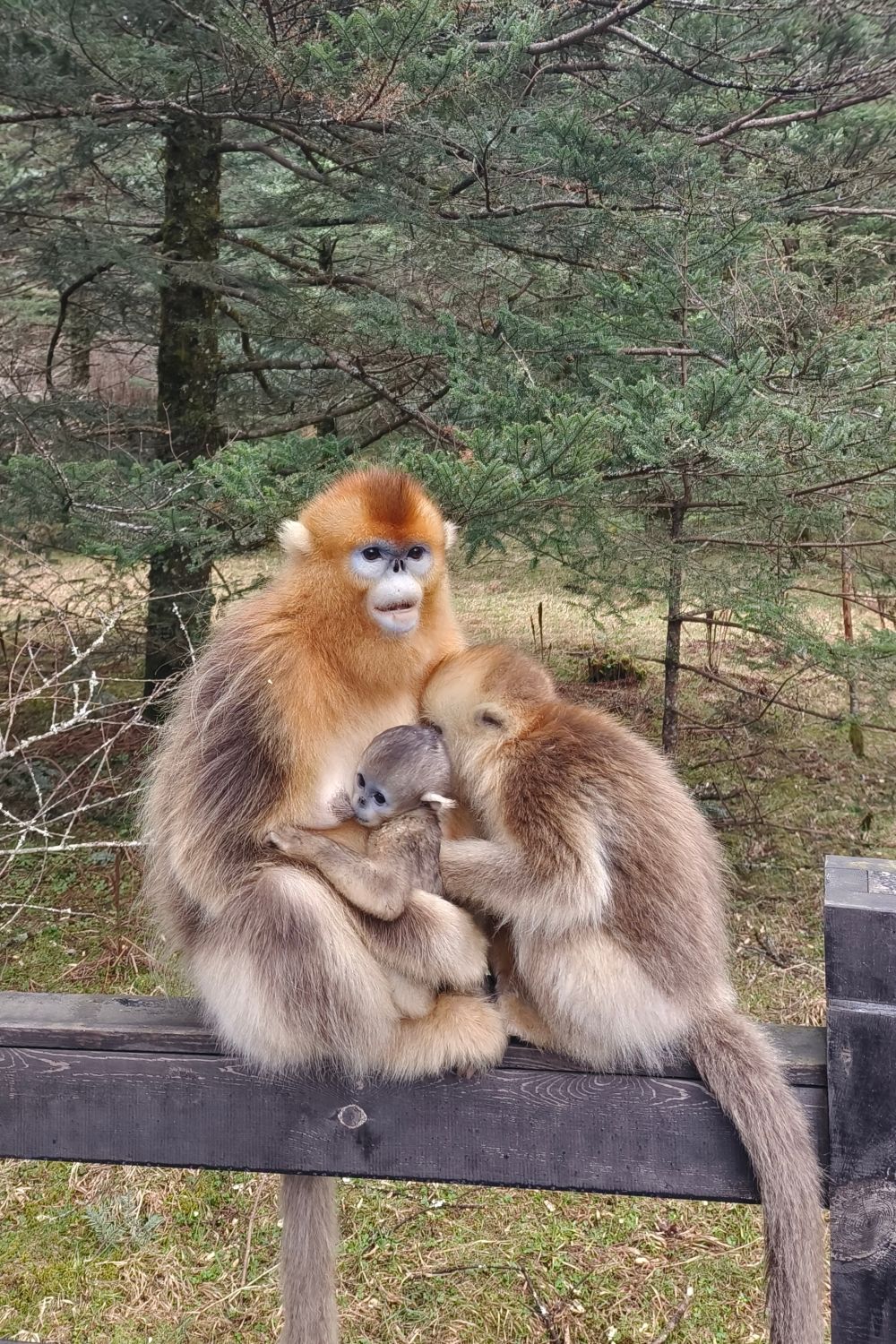
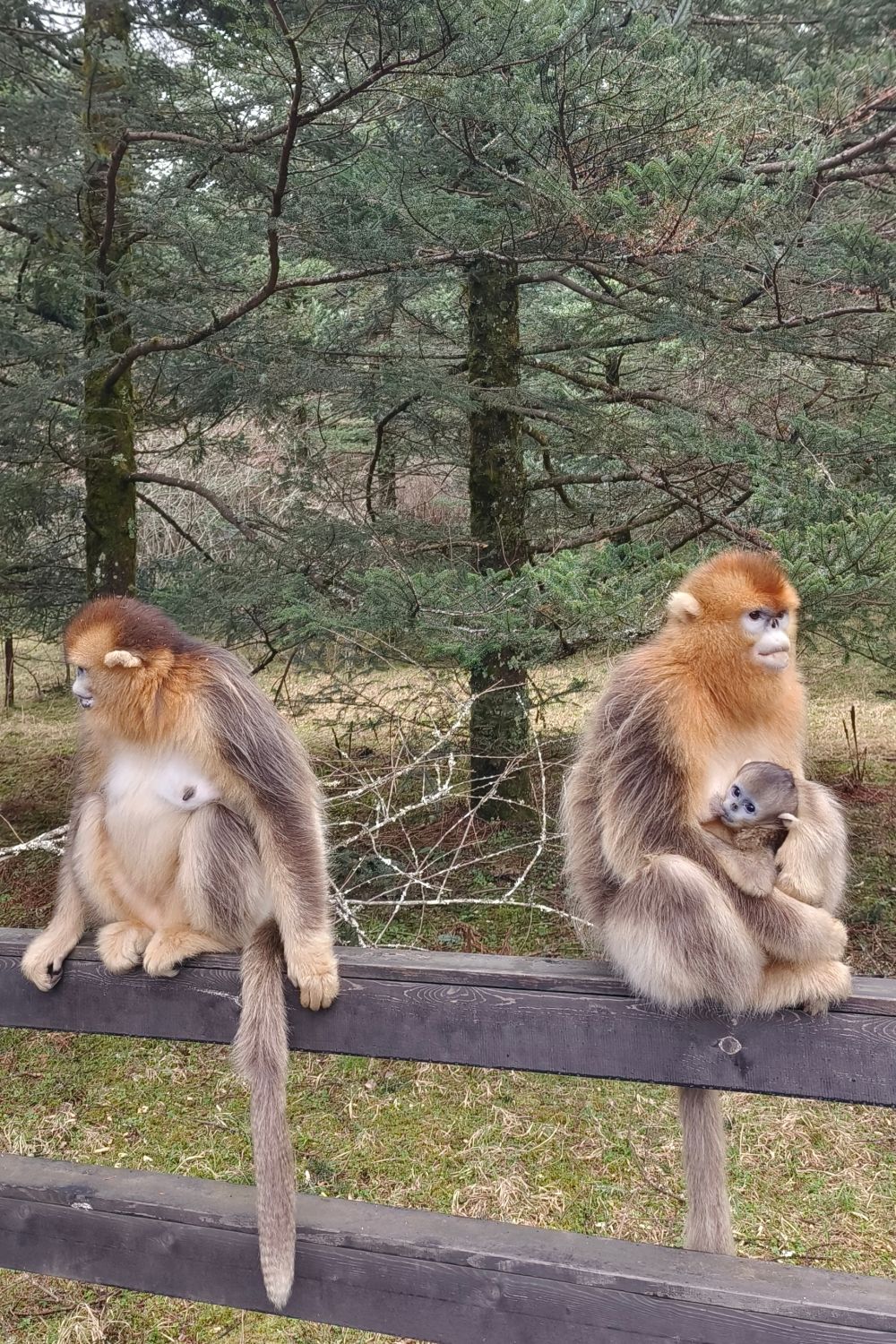
In the dense thickets of the Dalongtan Golden Snub-nosed Monkey Research Base, a newborn golden snub-nosed monkey clings tightly to its mother, peering curiously at the surrounding fir trees. Named “Fuyuan” by researchers, this infant was born on World Wildlife Day, coinciding with the Lantern Festival. Since March, this alpine forest—reaching altitudes of 3,106.2 meters—has welcomed seven new arrivals.
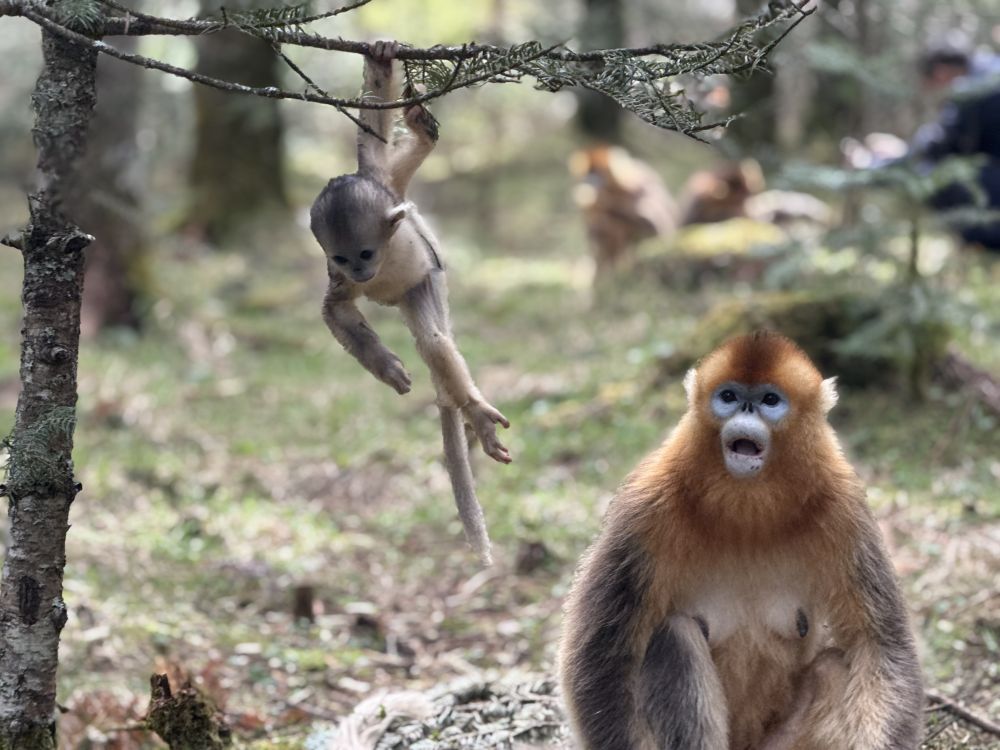
On the eve of the 57th World Earth Day, a reporting team from the Ministry of Natural Resources' “Ecological Guardianship” initiative entered Shennongjia to decode the “Green Miracle” of the 31st parallel north. What has Shennongjia done right to protect these “mountain spirits”? How does digital technology weave a warm, protective web over this cold wilderness? And how has humanity’s “retreat” paved the way for the endless cycle of life?
To Save a Monkey is to Shield Ten Thousand Species
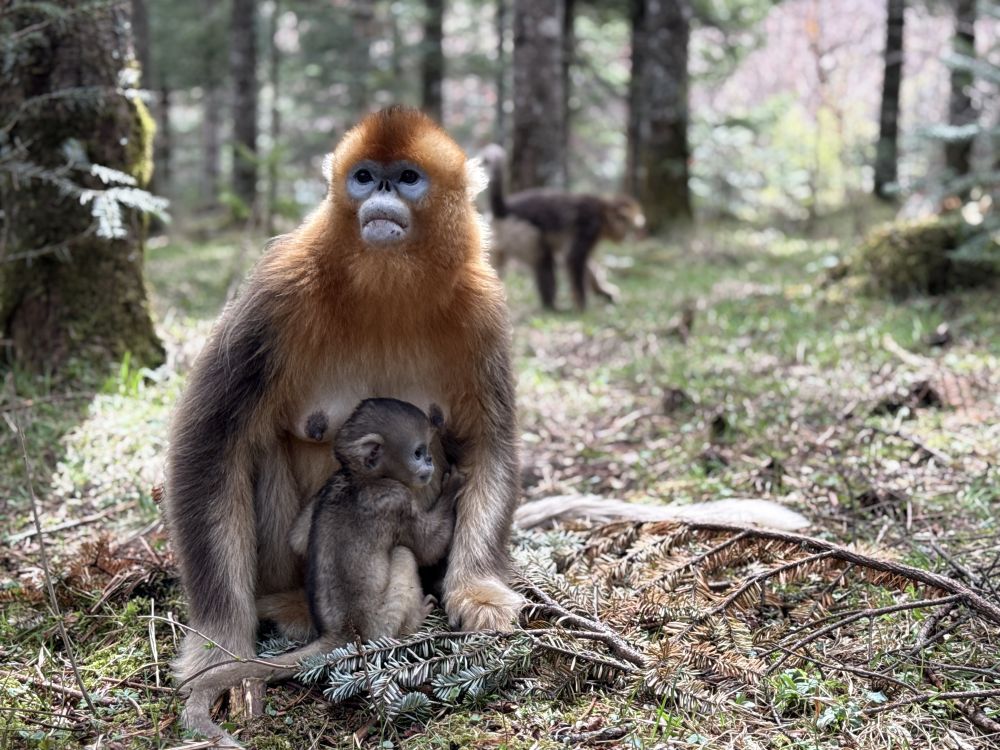
At 5:20 AM, as dawn barely breaks, researcher Li Shuhang slips quietly into the woods. His goal is to locate 105 “old friends” at their mid-mountain resting spot before the group wakes. “Once the sun is up, they move,” Li says. “If we're late, finding them becomes a grueling task.”
While the 105 monkeys at Dalongtan serve as a microscopic window for researchers, a much larger wild population inhabits the surrounding 401-square-kilometer habitat. Following four large-scale censuses, the population has surged from 501 individuals in 1990 to 1,618 today, spread across 11 distinct groups.
Despite this growth, the wild remains governed by a ruthless law. “When heavy snow seals the mountains in winter, food becomes extremely scarce,” notes Yao Hui, Deputy Director of the Scientific Research Institute of Shennongjia National Park. “Elderly monkeys, following the cold logic of nature, often wander alone into the deep forest to meet their end.”
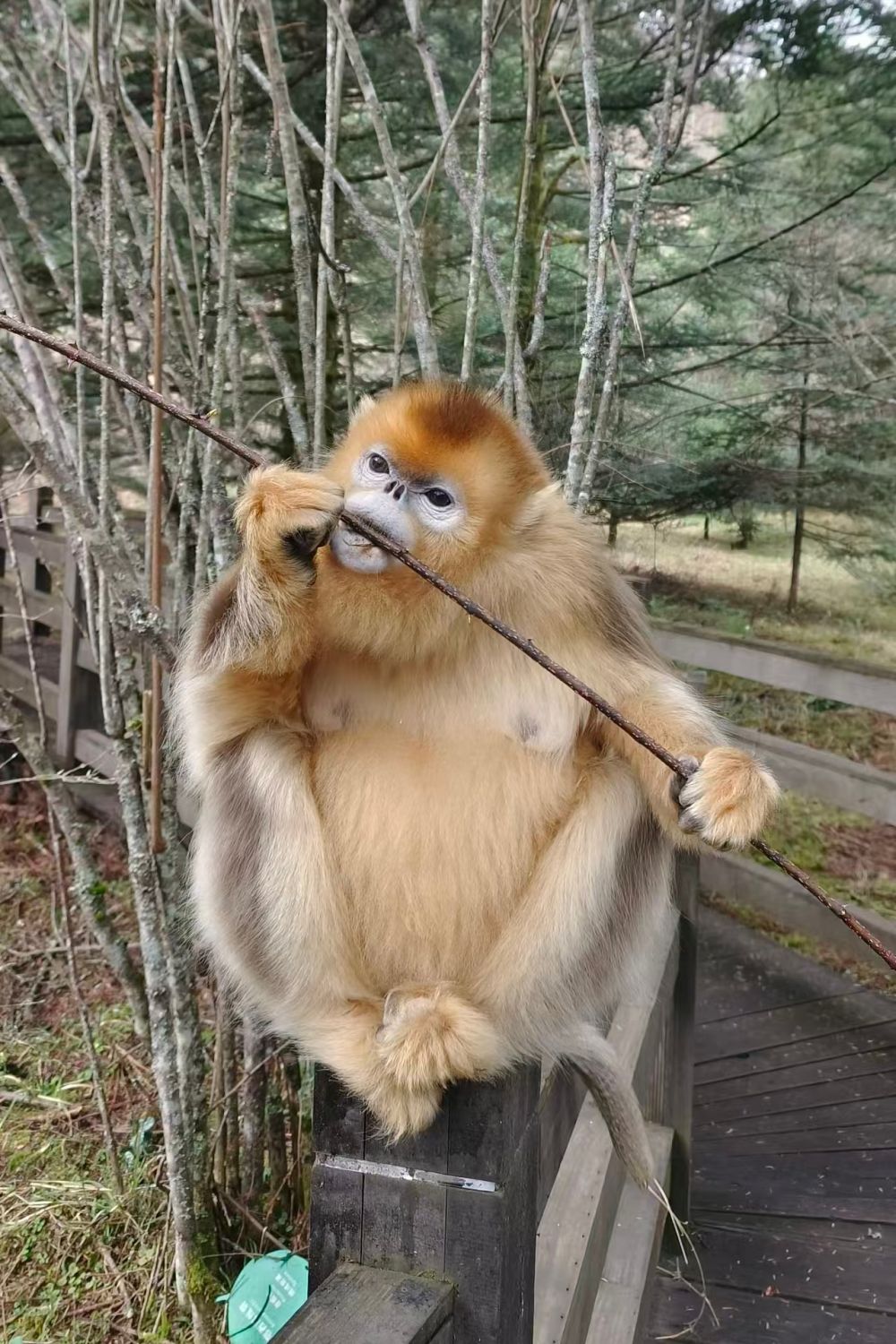
To mitigate this, the base began supplemental feeding of apples, carrots, and Usnea (lichen) in 2005. Jiang Jun, head of the Dalongtan base, notes that infant survival rates have improved significantly since the system was established. However, this intervention is highly calculated. “We debated this extensively,” Yao Hui adds. “We limit this to the Dalongtan group; part of our research is ensuring they maintain their wild survival skills while we provide a safety net.”
Research here follows a philosophy of “observation without disturbance,” echoing the traditional wisdom of Wu Wei (governance through non-interference). Staff conduct metagenomic analysis on fecal samples to preemptively screen for parasites or food hygiene risks—treating the “pre-symptomatic.” When it comes to injuries, the restraint is professional: minor scuffles are left to nature, but severe trauma from falls or predator attacks triggers an immediate rescue. The animals are treated at the Xiaolongtan Wildlife Rescue Station and released only after regaining the ability to survive in the wild.
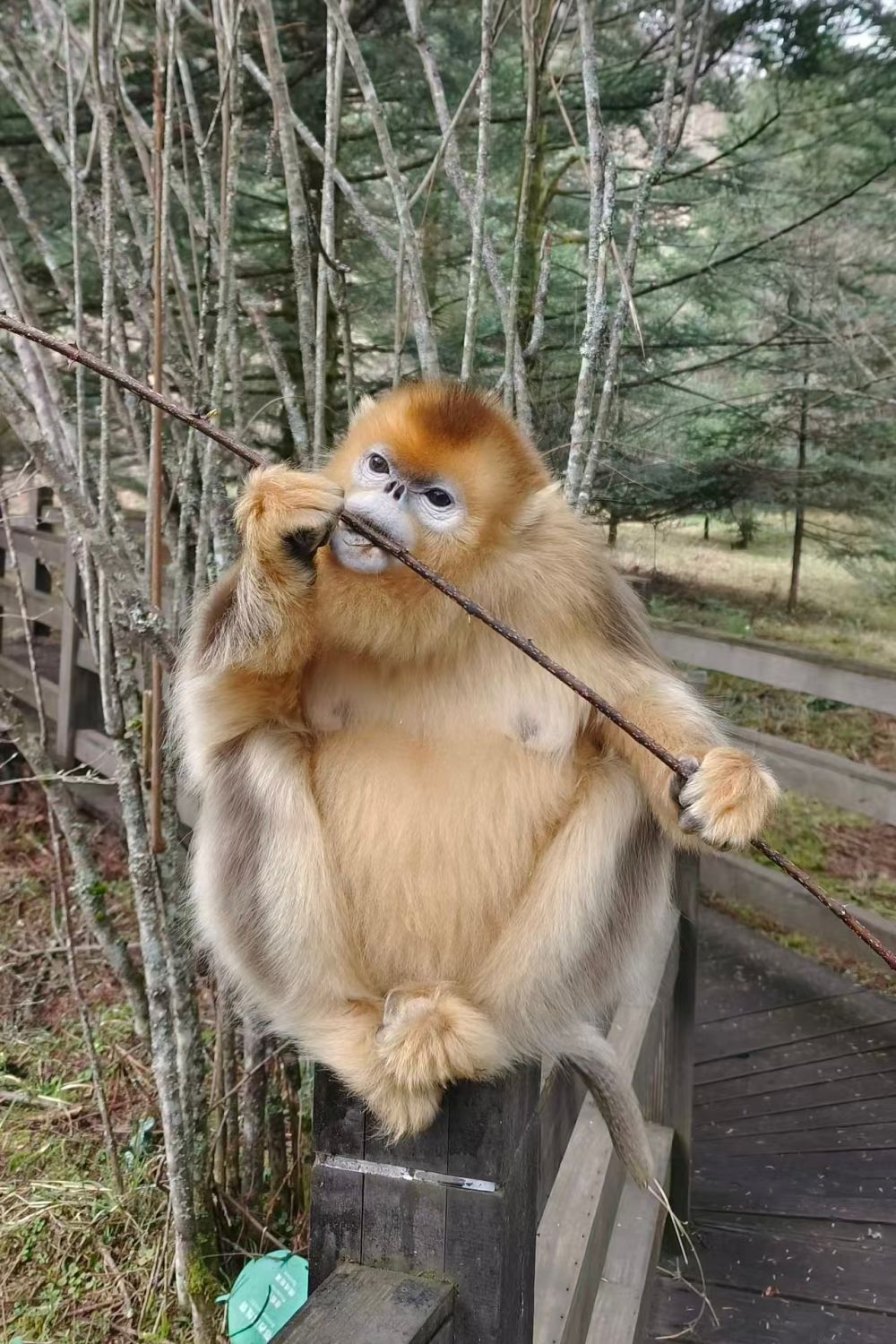
In these vast woods, the golden snub-nosed monkey is both a “flagship” and an “umbrella species.”“Shennongjia occupies only 0.03% of China’s landmass but harbors 11% of its biodiversity. It is a global gene bank.” says Dai Guangming, Deputy Party Secretary of the Administration of Shennongjia National Park. By protecting the monkey's habitat, the park effectively holds a “giant umbrella” over rare species like the Chinese goral, Asiatic black bear, forest musk deer, and the ancient “living fossil,” the dove tree.
A Digital Web for a Home in the Clouds
If the Dalongtan group has dedicated guardians, how do we track the 1,618 monkeys scattered across the rest of the rugged terrain? The answer lies in the Information Center of Shennongjia National Park.
Director Peng Linpeng, a 20-year veteran of the park, recalls when patrolling was labor-intensive and error-prone, relying solely on “a pen and a piece of paper.” In the absence of tech, blind spots were common. Some even attempted to fake patrol routes by strapping early GPS devices to local village dogs.
“Implementing efficient governance means upsetting some people,” Peng admits. Today, deception is impossible against Beidou satellites. Rangers carry terminals integrated with 13 tasks, from identifying ancient trees to reporting human disturbances.
A wall-sized screen displays real-time data on weather, fire risks, air and water quality, and infrared camera feeds. This “Space-Air-Ground-Human” integrated monitoring system is Peng’s pride. From above, 24 remote sensing satellites scan the forests every 10 minutes; in the air, drones collect high-definition geographic data; on the ground, sensors can detect the heat of a single lighter within 100 meters. The core, however, remains the 102 professional rangers walking 911 standardized patrol lines.
This system has created a “digital twin” of Shennongjia Forestry District. The record of 45 years without a major forest fire is a testament to this computational power. More importantly, it has allowed for the restoration of “ecological corridors.” Due to historical human activity, monkey populations were once isolated, facing the threat of inbreeding. Shennongjia has since established 120,000 hectares of new nature reserve and 25 corridors, linking habitats across administrative lines. Recently, infrared cameras captured monkeys “visiting relatives” across these restored bridges.
Humanity’s Step Back, Civilization’s Leap Forward
As wildlife populations grow, “human-wildlife conflict” has emerged, with wild boars occasionally raiding crops. Yao Hui believes this is a legacy issue: “Animals come down because humans previously encroached too far into their homes. When they lack space, they move toward us.”
The solution lies not in controlling the animals, but in changing human behavior. For generations, locals relied on the mountains for firewood. “To solve this knot, we had to help people move 'out of the woods'—both physically and economically,” Yao says.
Shennongjia’s approach is comprehensive. For crop damage, the video monitoring system provides evidence for payouts from government-purchased commercial insurance. To replace axes, the park promotes “electricity over wood.” At the Dalongtan base, the roof is covered in integrated photovoltaic tiles, designed to blend into the landscape. This microgrid, completed in late 2024, has reduced coal consumption by 9 tons annually, ending the era of smoky wood fires for heating.
This “green power” transition has reached the Dajiuhu subalpine wetland, where tourists earn “carbon credits” via QR codes to exchange for golden snub-nosed monkey merchandise or local tea. Silence is returned to the forest as human interference reaches an all-time low.
Economic transition has followed. Locals now run eco-tourism businesses, boutique homestays, and livestream local specialties. With the help of corporate aid, bee-keeping and medicinal herb bases have been established. As pockets get deeper, the old tension between man and nature dissolves into mutual prosperity.
“We have 1,618 golden snub-nosed monkeys now. We hope that number goes up, the number of people on the mountains goes down, and the people at the foot of the mountains live better,” says Dai Guangming. This is Shennongjia’s answer to the quest for harmonious coexistence.
Reporter’s Journal
Late spring sunlight filters through fir needles, dappling the earth at Dalongtan. High in the canopy, satiated Fuyuan sleeps nestled against its elders. The mountains of Shennongjia remain as vast as ever, but the people have changed their ways. Every step humans take outward is a step the golden snub-nosed monkeys take back toward the heart of the forest. By surrendering our demand for limitless resources, we allow the wilderness to breathe. In the ancient forests, the distance between man and nature is being recalibrated, inch by inch. In this sense, humanity’s “retreat” in space is exactly what constitutes a giant leap for ecological civilization.(By Chu Xiaopeng, China Comment (Xinhua News Agency))

Copyright Shennongjia National Park
Address:36 Chulin Road, Muyu Town, Shennongjia Forestry District, Hubei Province 鄂ICP备18005077号-3
Address:36 Chulin Road, Muyu Town, Shennongjia Forestry District, Hubei Province 鄂ICP备18005077号-3
Email:2673990569@qq.com
Phone:0719-3453368
Phone:0719-3453368


TOP