261 Overwintering Waterbirds Recorded!
Shennongjia Dajiuhu Wetland Hosts Highest Waterbird Population in Five Years
Updated:2026-01-27 Source:Shennongjia National Park
As dawn broke, the survey team’s binoculars gradually revealed scenes of an active ecosystem: groups of mallards swimming gracefully, little grebes diving and emerging deftly from the water, and several great egrets standing like silent sentinels in the distance. At the beginning of 2026, this vivid ecological tableau was clearly captured through the lenses of surveyors from the Science Research Institute of Shennongjia National Park.
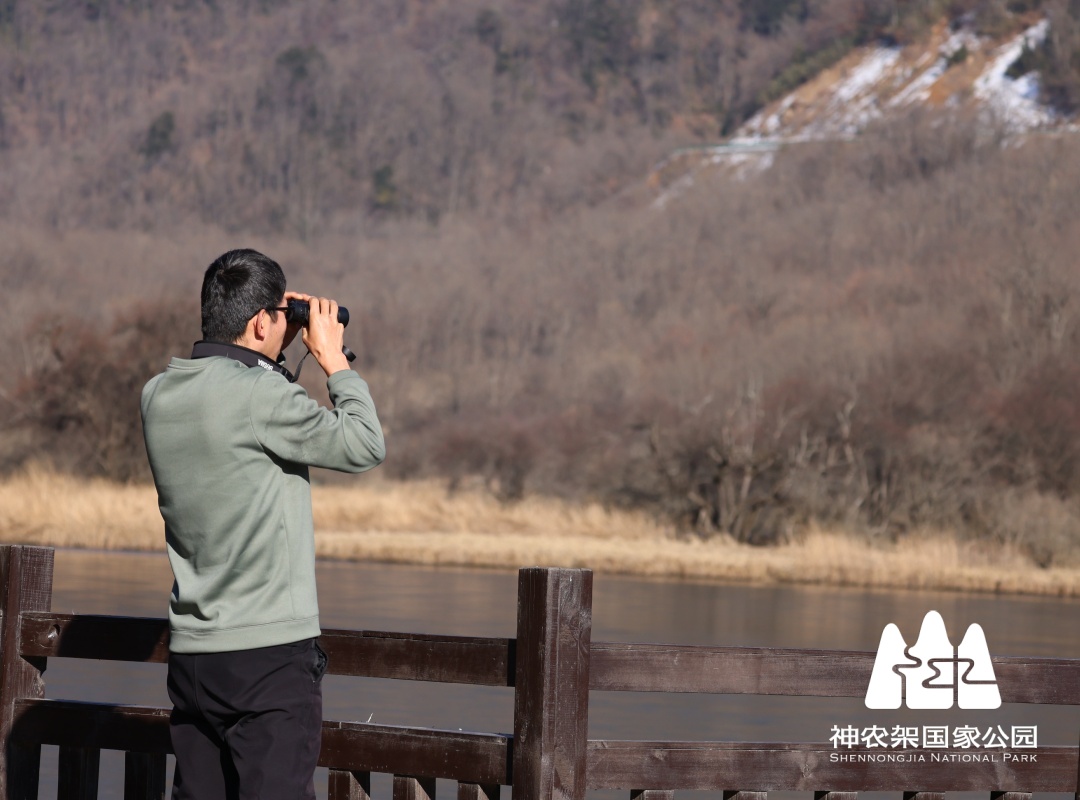
The recently completed national synchronized survey report on overwintering waterbirds (focusing on the Dajiuhu Wetland within the Shennongjia National Park candidate area) presents a set of encouraging figures. During the latest synchronized survey, a total of 261 individual overwintering waterbirds, belonging to 9 species, were recorded in the Shennongjia Dajiuhu Wetland. This number not only marks the highest count since continuous monitoring began in 2022 for the area but also conveys a positive signal: the ecological carrying capacity of this high-altitude wetland is steadily improving. A closer look at the population composition reveals that the little grebe, with 85 individuals, is the dominant species. Populations of the mallard and the falcated duck have also reached significant sizes of 63 and 64 individuals, respectively. Notably, species such as the mandarin duck (a national Class II protected species), as well as the tundra bean goose and the bar-headed goose—species known for their particular habitat requirements that have only been occasionally spotted in the past—have also returned to these waters.
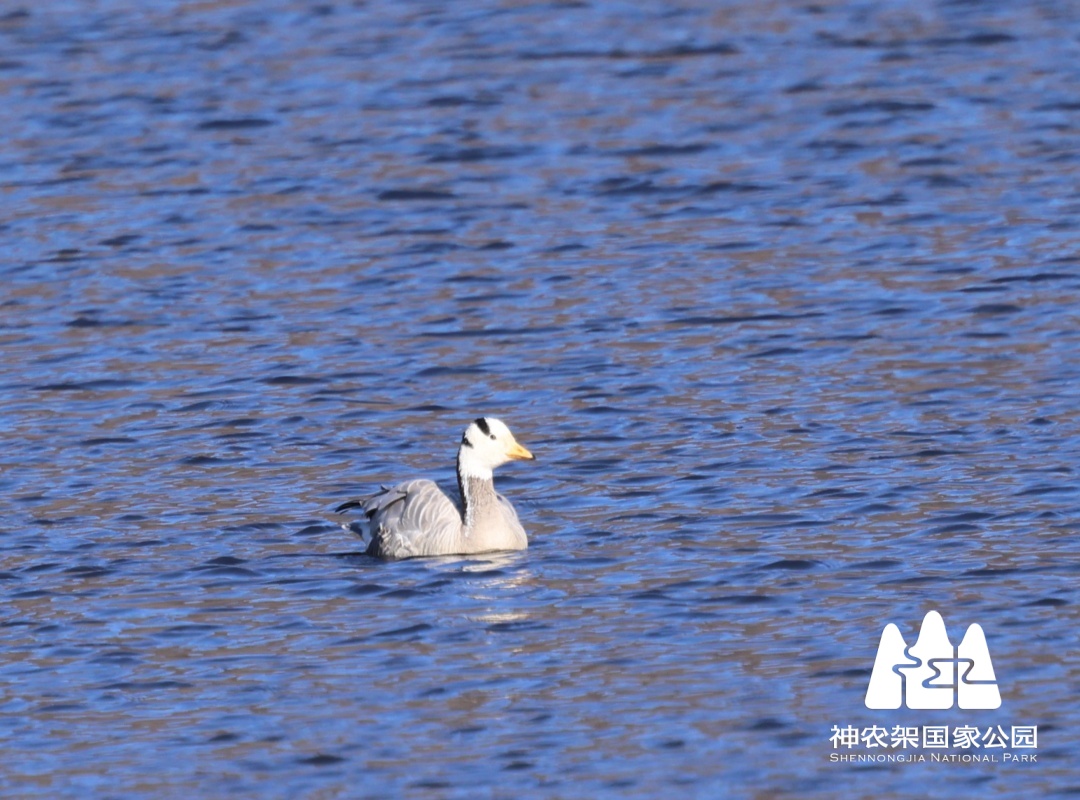 Bar-headed Goose
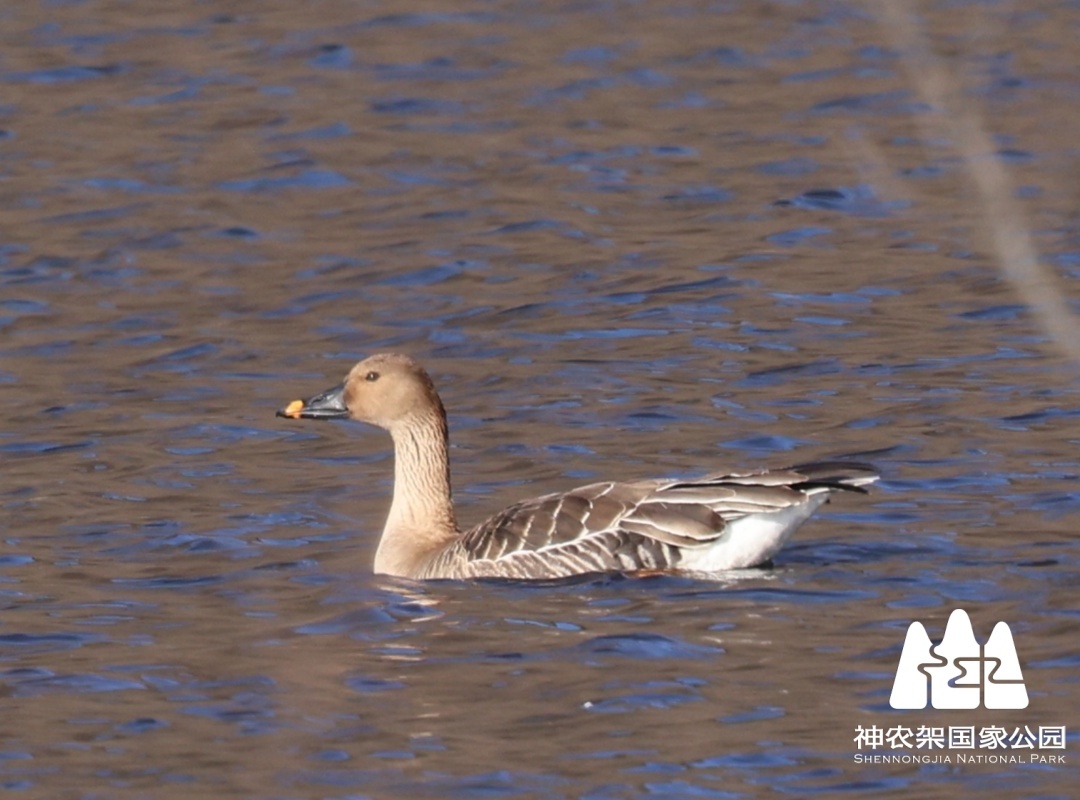 Tundra Bean Goose
Examining the data over a longer period, a clear upward trend emerges from the comparison of five consecutive years. Compared to the 233 and 224 individuals recorded in 2023 and 2024 respectively, this year’s survey achieved a significant breakthrough in total population size, even though the number of species recorded was not the highest. The recovery trends of certain key species are particularly telling. For instance, the little grebe population surged from 16 individuals last year to 85 this year, and the common teal increased from 6 to 34 individuals. These changes are not coincidental; they serve as a mirror reflecting the overall improving health of the Dajiuhu Wetland ecosystem. Birds are among the most sensitive environmental indicators. The fact that an increasing number of waterbirds are choosing to stay or overwinter here represents a clear “vote of confidence” cast with their wings.
This trust is hard-earned. The Dajiuhu Wetland sits at an altitude of over 1,700 meters, where harsh winters, scarce food sources, and frozen lake surfaces historically posed major obstacles for migratory birds seeking to overwinter. However, sustained and systematic ecological conservation and restoration efforts in recent years are gradually improving living conditions here. Although thin ice was still visible on early mornings during the survey period, open water quickly reappeared as sunlight intensified. Aquatic vegetation replenished in the lake area and food sources preserved following the ban on grazing have provided valuable roosting and foraging grounds for the waterbirds. Concurrently, monitoring revealed that the waterbirds' footprints are now widely distributed across diverse habitats including the Pingqian Reservoir, multiple shallow lakes, as well as sphagnum wetlands and meadows. This distribution pattern indirectly confirms the integrity and resilience of the wetland’s ecological functions.
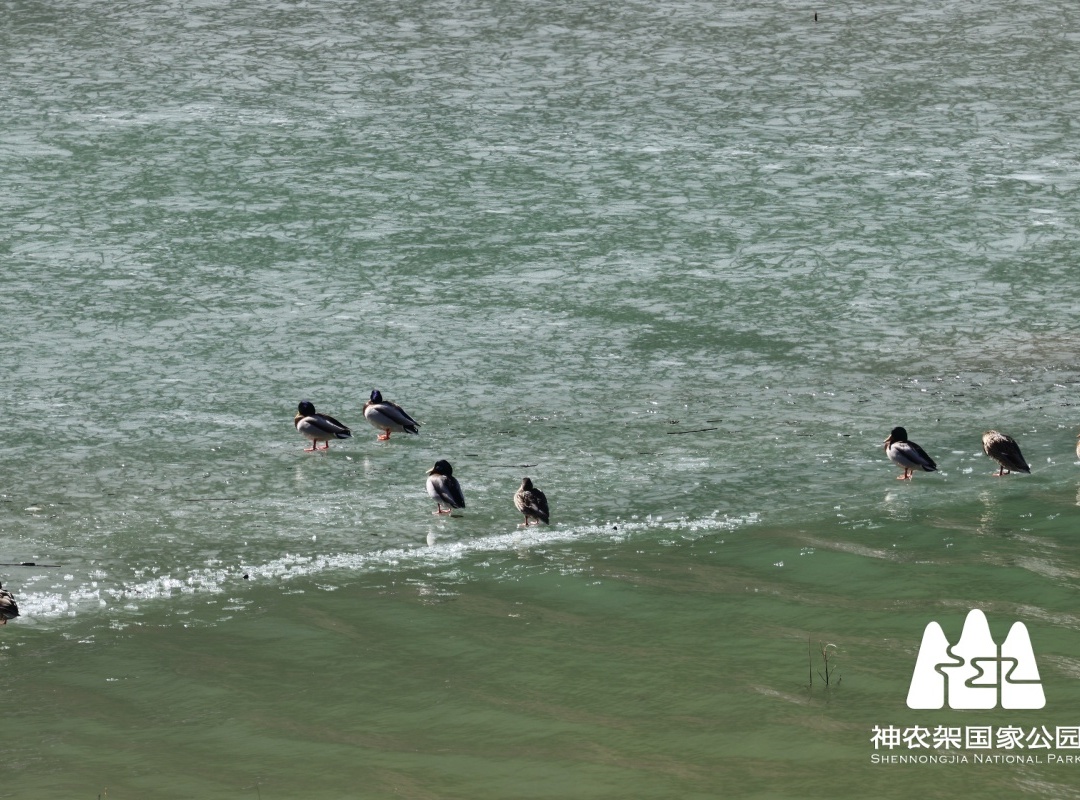 Mallard
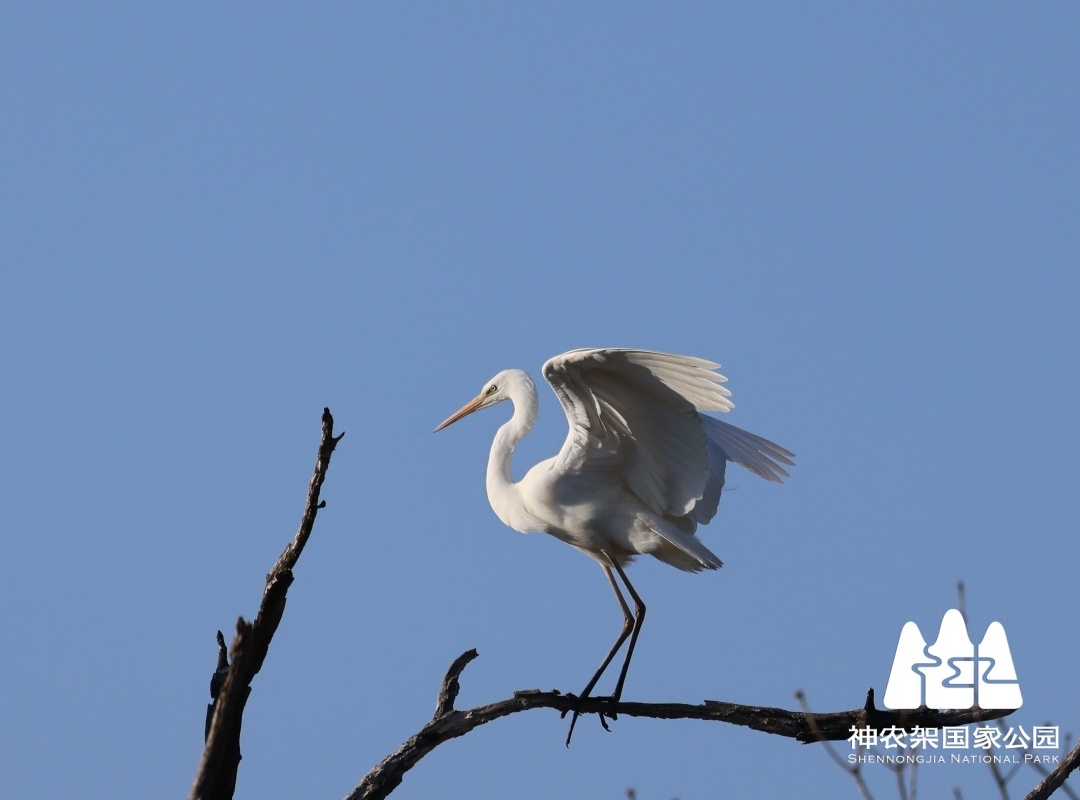 Great Egret
As a crucial stopover site on the central migratory flyway for birds in China, the ecological value of the Dajiuhu Wetland extends far beyond its geographical boundaries. It functions like a “cloud airport”, providing essential replenishment and rest for birds on their long journeys. The return of winter visitors like the tundra bean goose and the bar-headed goose stands as strong proof that this vital lifeline remains active. Challenges, of course, persist—such as ensuring the stability of winter food resources and addressing the impacts of extreme weather. The report also proposes recommendations, including scientific management to maintain water body fluidity and, when necessary, implementing ecological feeding measures. These refined management strategies aim to create a warmer and safer home for our avian friends. (Contributed by the Administration of Shennongjia National Park; Written by Du Hua, Ma Guofei)

Address:36 Chulin Road, Muyu Town, Shennongjia Forestry District, Hubei Province 鄂ICP备18005077号-3
Phone:0719-3453368