Major Breakthrough Achieved in the Propagation of Berchemiella wilsonii
Shennongjia National Park Overcomes Large-scale Propagation Barriers for a Critically Endangered Species
Updated:2026-08-11 Source:Shennongjia National Park
The Guanmenshan Laboratory under the Science Research Institute of Shennongjia National Park has recently released key research progress on the large-scale propagation of Berchemiella wilsonii. It is listed as a National Class II Key Protected Wild Plant and recognized as a Plant Species with Extremely Small Populations (PSESP). After long-term dedicated technical research, the number of surviving artificially propagated individuals has risen from 30 to over 1,000 by 2026. This indicates that artificial propagation techniques for Berchemiella wilsonii have become increasingly mature, enabling large-scale seedling production with high genetic stability among propagated seedlings.
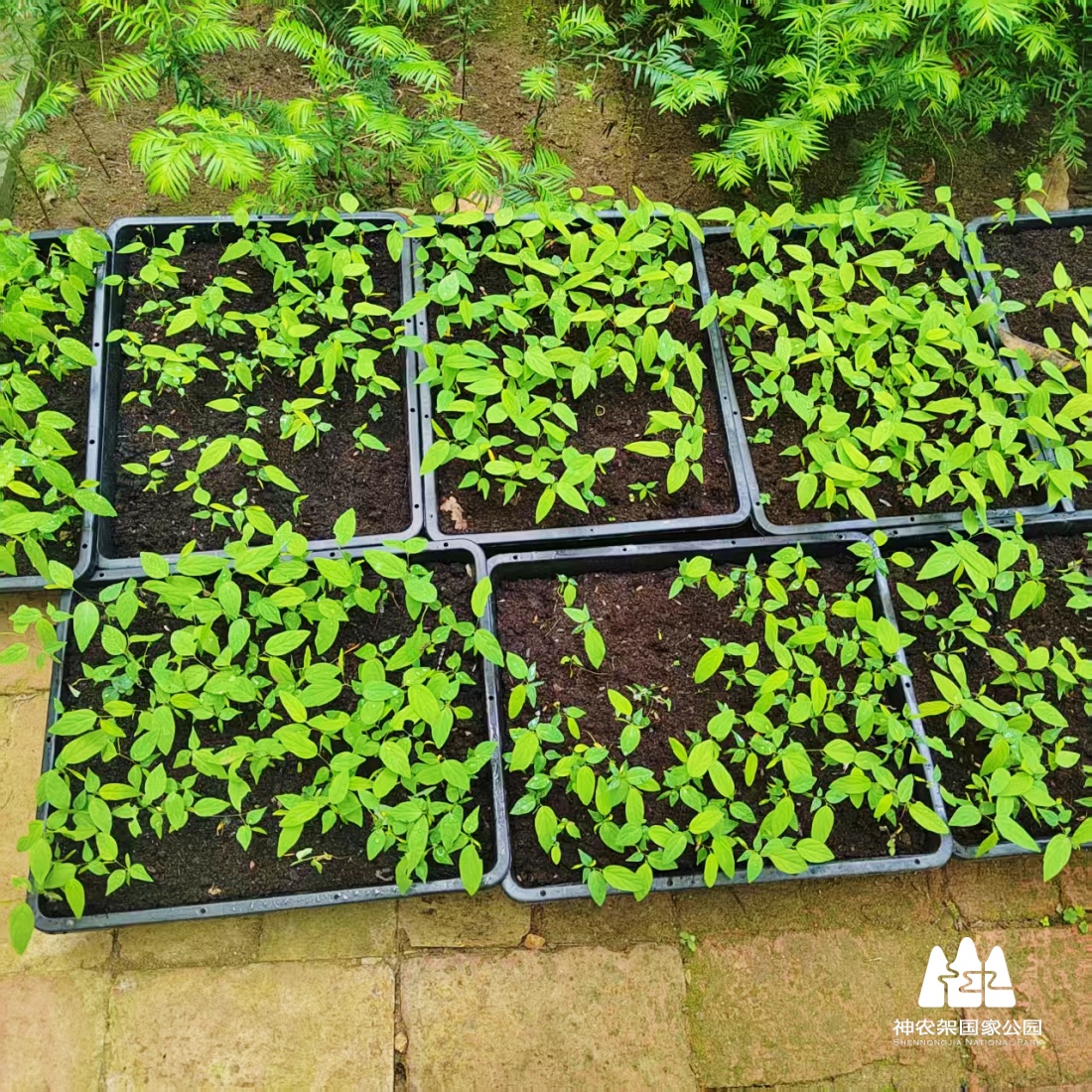
Berchemiella wilsonii, a shrub or small tree belonging to the genus Berchemiella in the family Rhamnaceae, has a narrow natural distribution and poor natural regeneration capacity. Although the wild species produces abundant seeds, seed abortion rates remain high. Coupled with habitat degradation, the survival of wild populations is under severe threat. Latest field surveys indicate that fewer than 200 wild individuals exist nationwide, only 6 of which occur in the Shennongjia Forestry District, scattered across the area.
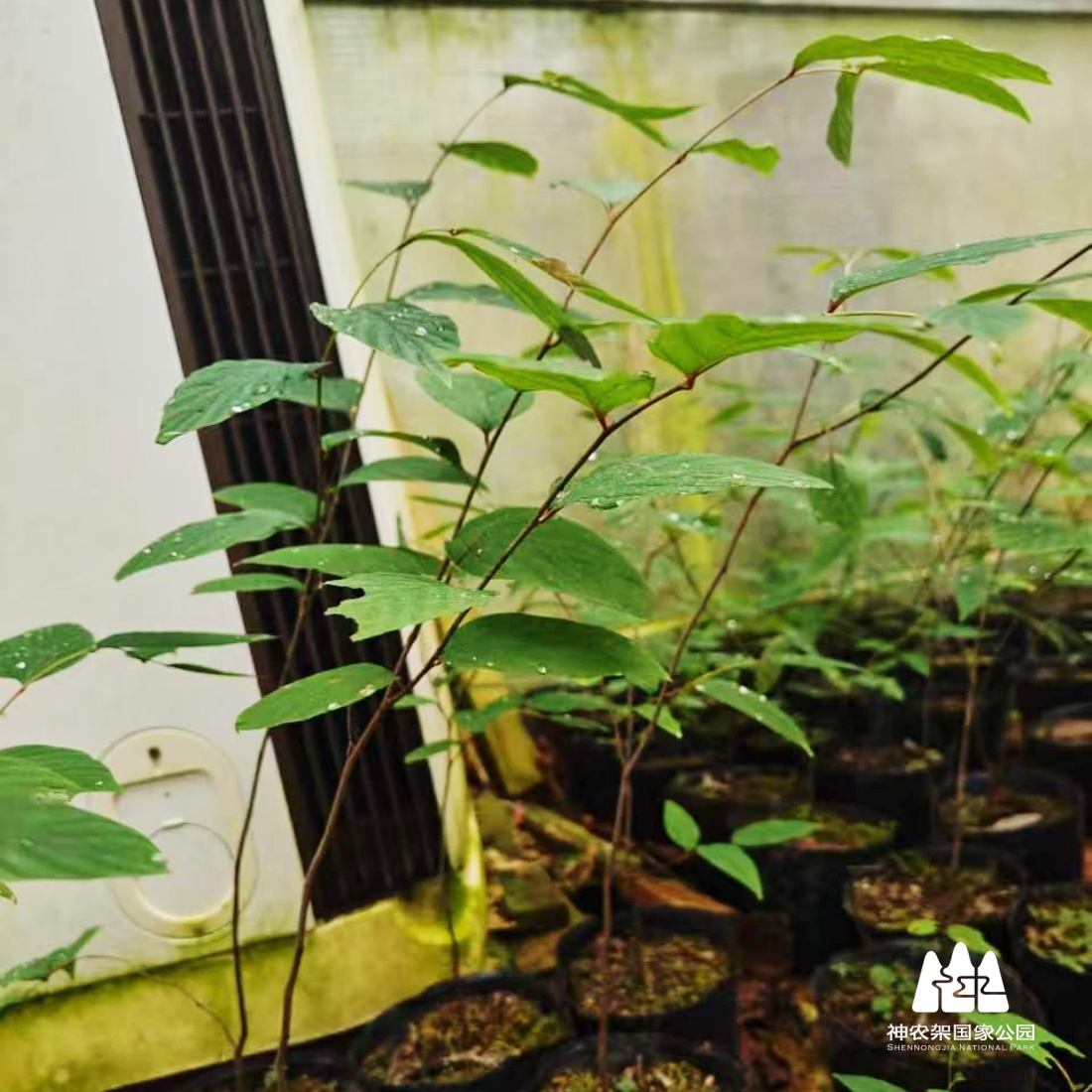
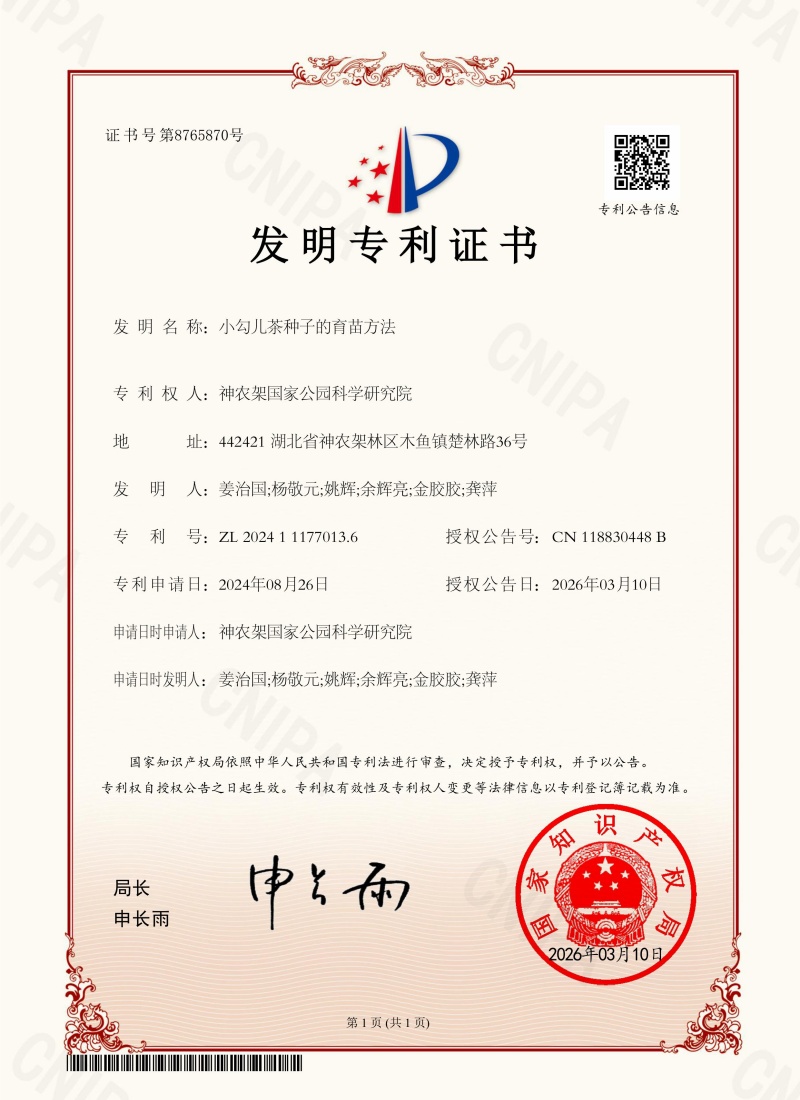
To save this species from extinction, the Guanmenshan Laboratory research team immediately began collecting germplasm resources after discovering the six wild individuals in Shennongjia. This team conducted multiple propagation trials including tissue culture, stem cuttings, and sowing, yet none proved successful. Undeterred by setbacks, researchers persisted in collecting seeds annually during the fruiting season. In 2024, the team successfully obtained 60 seedlings through seed propagation for the first time. However, because the young seedlings were highly susceptible to fungal infection, only 30 survived. Building on systematic summaries of previous experience, the team adopted an innovative variable-temperature sand stratification method in 2026, which greatly boosted seed dormancy release and germination efficiency. The technique shortened the natural two-year seed dormancy cycle to only six months and raised the germination rate from less than 2% to over 30%. With precise regulation of temperature, water, humidity and other key cultivation parameters, researchers successfully cultivated more than 1,000 robust and stable-growing seedlings in one batch. This core technology has been officially granted a national invention patent, titled “Seedling Cultivation Method for Berchemiella wilsonii Seeds.”
For follow-up conservation work, the research team plans to transplant the tray-grown seedlings into nutrient pots. After one to two years of standardized seedling hardening-off and cultivation, qualified saplings will be reintroduced into suitable wild habitats. The phased conservation effort aims to gradually restore wild populations of Berchemiella wilsonii and achieve stable natural regeneration and ensure its sustainable survival in the native ecosystem of Shennongjia.(Text by Jiang Zhiguo Translated by Chen Qinyu)

Address:36 Chulin Road, Muyu Town, Shennongjia Forestry District, Hubei Province 鄂ICP备18005077号-3
Phone:0719-3453368