A Chinese Goral Cub Rescued in Dajiuhu
Updated:2026-05-25 Source:Shennongjia National Park
On May 22, the Dajiuhu Management & Conservation Center of Shennongjia National Park received an urgent call from a local villager: “Come quickly! There’s a tiny ‘grey goat’ here, it’s dying and needs help.” The villager found the stranded cub by the roadside near the Jiuhu Tunnel, apparently separated from its mother. Upon receiving the report, staff rushed to the scene immediately. After careful examination, they confirmed it was a young Chinese goral (locally called “grey goat”). Having been separated from its mother and without food for a long time, the cub was weak, listless, and suffering from stress. It was not capable of surviving independently in the wild. To ensure its safety, the staff took it back to the center for proper care.
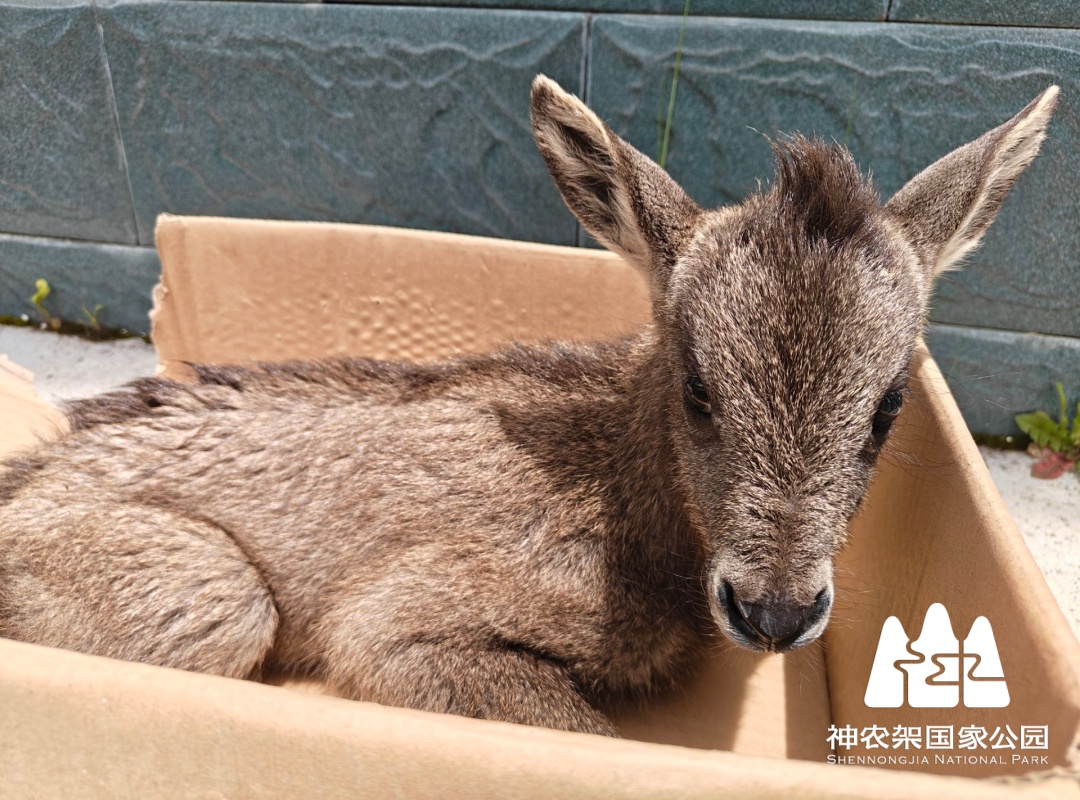
The Chinese goral (Naemorhedus griseus) is a Class II national key protected wild species in China and has been listed in the Red List of Endangered Species. These cliff-dwelling animals are known for their agility on steep mountain terrain and typically inhabit remote forests and rocky slopes. Chinese gorals are highly sensitive to changes in their habitat, making them an important ecological indicator reflecting regional forest ecological quality and biodiversity.
During its recovery, staff followed a science-based rescue plan focused on preserving the animal’s natural instincts. The young goral was fed a carefully balanced diet of fresh grasses, leaves, branches, and wild fruits that closely matched its natural feeding habits. Its feeding, activity, weight, and overall condition were monitored daily to track rehabilitation progress. At the same time, caretakers minimized unnecessary human interference to preserve its wild habits and avoid human dependence, so as to fully protect its wild survival ability. After several days of intensive care, the goral cub’s physical functions are gradually improving, and its mobility and climbing ability have basically recovered. Once all indicators fully meet the conditions for wild release, the staff will choose a suitable forest area near the place where it was found to set it free, helping it return to nature and hopefully reunite with its mother.
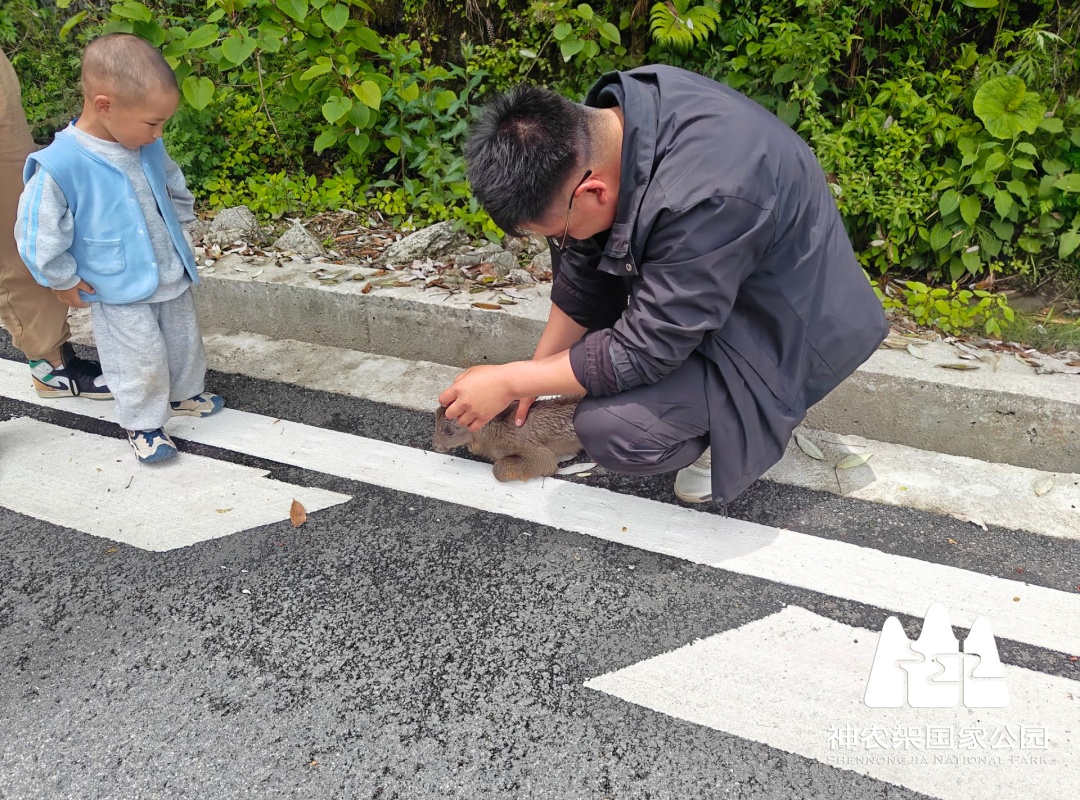
The successful rescue of the Chinese goral cub reflects the voluntary care of the public and the efficient collaboration of professional management teams. In recent years, the Dajiuhu Management & Conservation Center has carried out extensive legal publicity and science education on wildlife protection in villages, regularly popularizing knowledge of wildlife identification, emergency response, and relevant laws and regulations. These efforts help raise public awareness of ecological conservation. As a result, more and more local residents are now serving as volunteer guardians of the mountains and forests, contributing to a growing, community-led effort to protect the region’s ecology. Going forward, the center will further refine its emergency wildlife rescue mechanism, strengthen the professionalism and standardization of rare species conservation, rescue and release, and effectively protect the ecological security of wildlife. These efforts will help present a vivid picture of harmonious coexistence between humans and nature. (Written by Wen Jiayou; Translated by Chen Biyuan)

Address:36 Chulin Road, Muyu Town, Shennongjia Forestry District, Hubei Province 鄂ICP备18005077号-3
Phone:0719-3453368