
Muyu Management and Conservation Center Rescues and Releases Red-and-White Giant Flying Squirrel
Updated:2026-05-10 Source:Shennongjia National Park
Recently, the Muyu Management and Conservation Center of Shennongjia National Park successfully rescued a red-and-white giant flying squirrel (Petaurista alborufus), a rare wild animal under state protection. After receiving dedicated care, the “forest elf”, who was found weak and suffering from a right paw injury, has fully recovered and been released back into its natural mountain habitat.
The red-and-white giant flying squirrel is a terrestrial wild animal with important ecological, scientific and social value under special state protection. It is a rare rodent species that inhabits tree hollows or rock crevices in primary forests. Skilled at gliding, it is known as the “stealth engineer” of the forest ecosystem. Within the ecological chain, the squirrel feeds on nuts, fruits, and young leaves, helping to disperse seeds and promote forest regeneration. Meanwhile, it serves as a vital food source for natural predators such as large raptors and snakes, playing an indispensable role in maintaining ecological balance. Therefore, protecting the red-and-white giant flying squirrel is synonymous with protecting the complete chain of forest biodiversity.
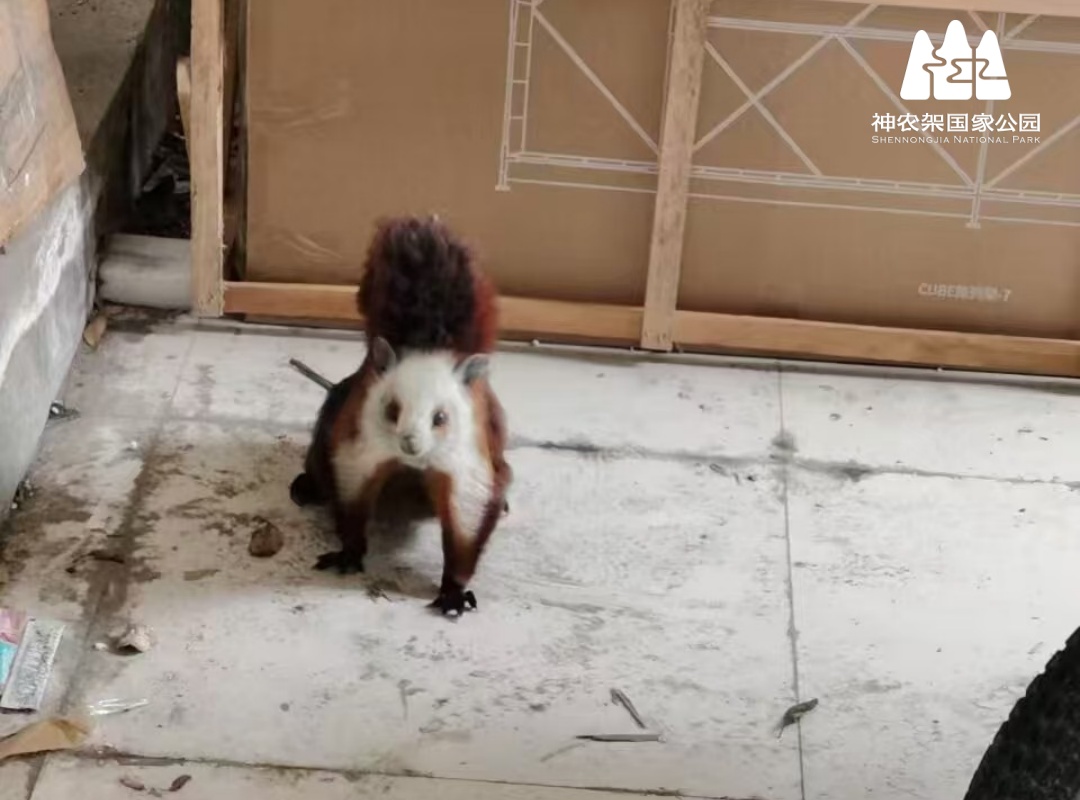
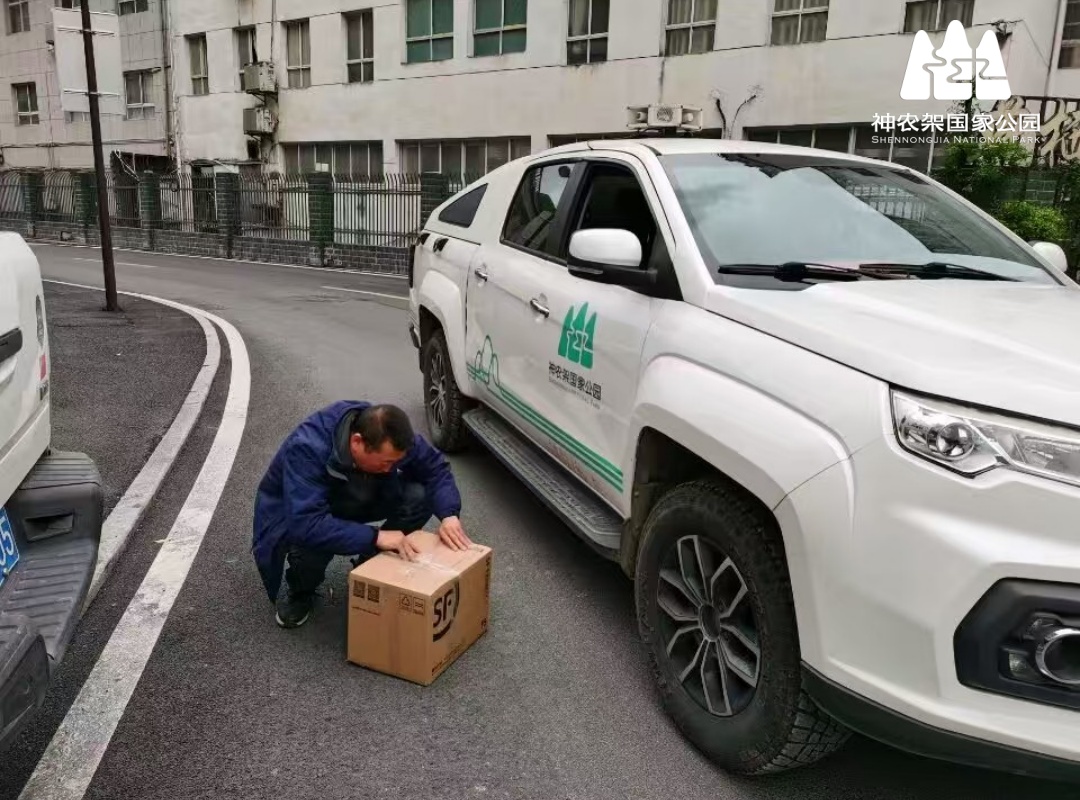
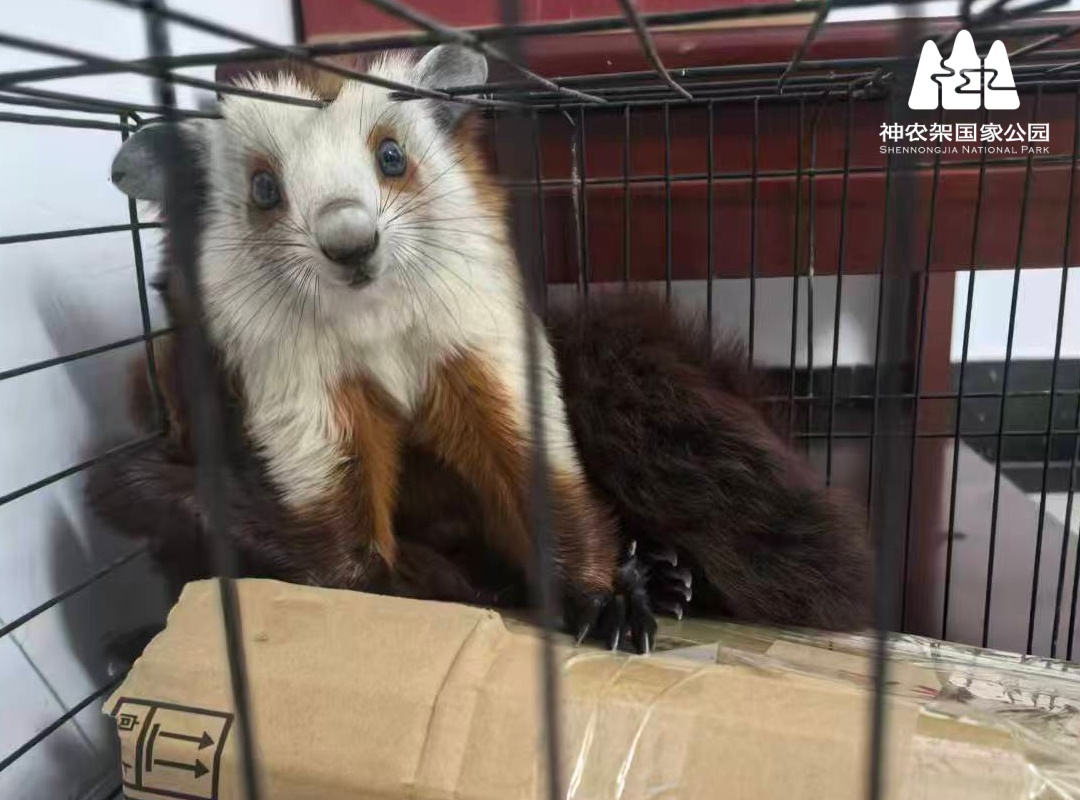
It is reported that the squirrel was found by a concerned member of the public near the forest area. At the time, it was weak with an injured right paw, unable to climb and forage. The citizen immediately reported the situation to the Muyu Management and Conservation Center. Then the staff rushed to the scene, conducted a preliminary examination on the squirrel, and brought it back for proper care. They cleaned its wounds, provided a suitable living environment and diet, and carried out daily care and rehabilitation training. Following a period of dedicated care, the squirrel fully recovered from its injury, with significantly restored physical strength and mobility, meeting the standards for wild release.
On May 8, staff members transported the red-and-white giant flying squirrel to a forested area with abundant food sources and far away from human disturbance. As the cage door opened, the agile little creature quickly climbed a large tree, and glided into the forest with its limbs spread after a short pause, thereby disappearing into the lush greenery. “Seeing it return to nature is the best reward for our work,” noted a staff member on site.
This rescue operation not only saves a precious wild life but also serves as a reminder of public attention to and participation in wildlife conservation. The Muyu Management and Conservation Center calls on the public: If you find injured or trapped wild animals, do not handle or feed it yourself. Please contact the local forestry department in time for scientific rescue by professionals. Every act of public kindness and cooperation is a vital force in building an ecological security barrier.
(By Wang Kui)

Copyright Shennongjia National Park
Address:36 Chulin Road, Muyu Town, Shennongjia Forestry District, Hubei Province 鄂ICP备18005077号-3
Address:36 Chulin Road, Muyu Town, Shennongjia Forestry District, Hubei Province 鄂ICP备18005077号-3
Email:2673990569@qq.com
Phone:0719-3453368
Phone:0719-3453368


TOP